
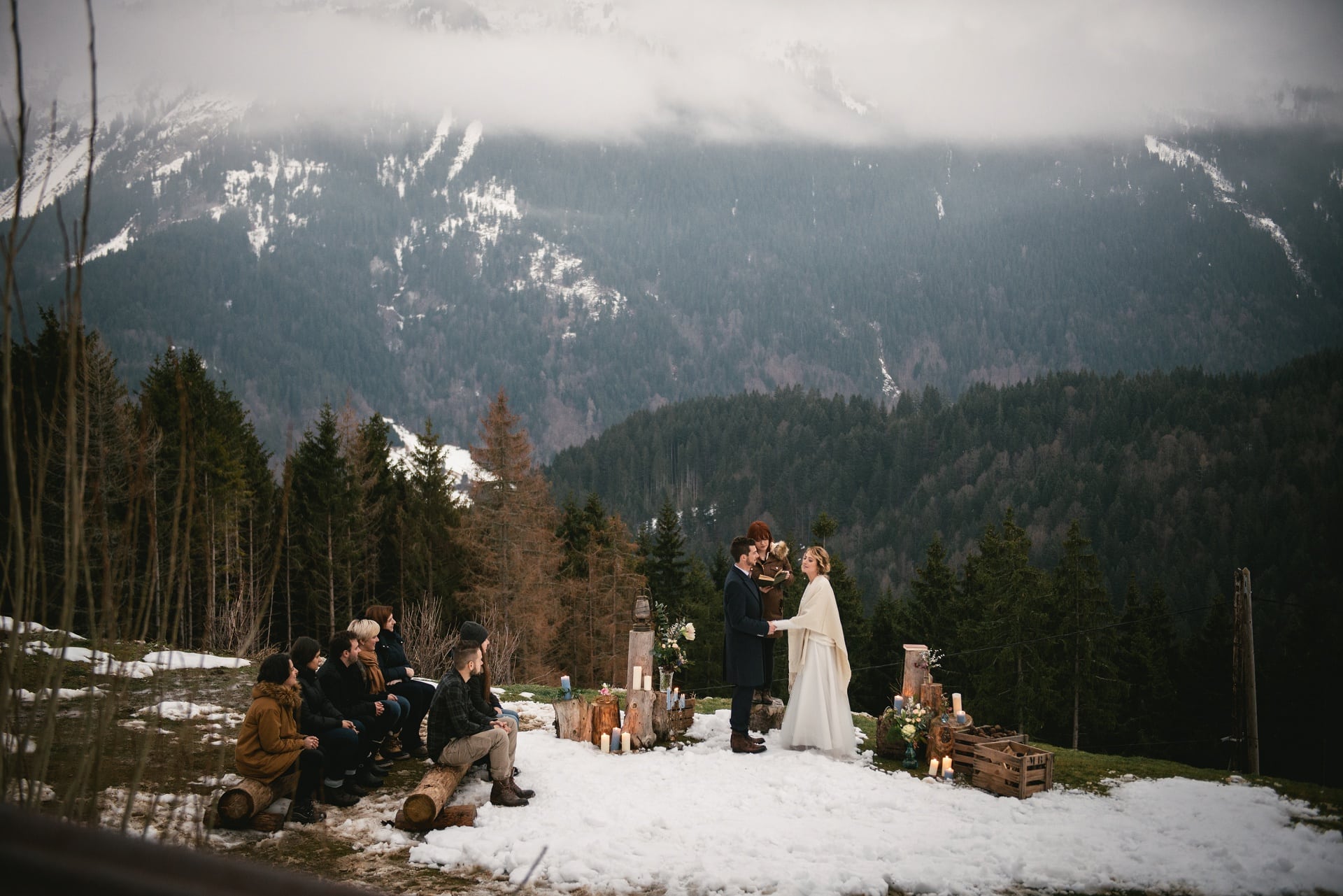
Your dream Switzerland elopement – the ultimate planning guide
UPDATED FOR 2024-2025
Switzerland is an evergreen country that must be visited a few times to fully appreciate its beauty. It’s a very mountainous country, where the Alps truly show their uniqueness in varied landscapes, ranging from the Lake Geneva all the way to the summits on the borders of France.
Eloping in Switzerland will definitely be an adventure to remember. You will find that there are plenty of options exchanging your vows on a secluded mountain with a view, and sleep in luxurious accommodations all over the country. This guide will help you to plan your elopement in Switzerland, with tips, tricks and location ideas. Let’s dive in!
Let’s dive in…
Welcome to the Adventure of a Lifetime
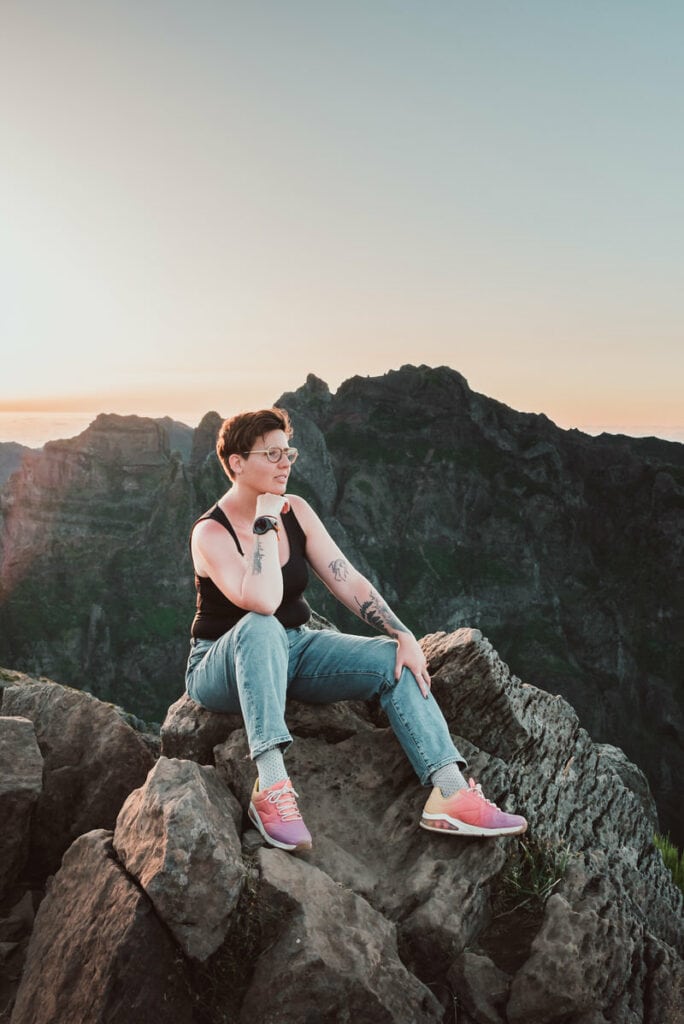
Hey there, I’m Amber!
When you elope in Switzerland, it’s so important to find the right elopement photographer for you! Your photographer will be responsible not only for documenting the day, but also for helping you plan. My job as a Switzerland elopement photographer and travel planner is to be your guide and planning assistant as you immerse yourself in the most intimate, meaningful adventure you’ve ever had – your elopement day!
I’ll be by your side through everything, recommending elopement locations in Switzerland, providing details and information on flights, places to stay, and one-of-a-kind experiences that match the kind of adventure you’re looking for, and everything you need for the perfect, adventurous wedding day.
If you’re ready to embark on your greatest adventure yet, and want to elope in Switzerland, contact me! We’ll start planning, and dreaming up the perfect day for the two of you.

First, let’s be sure we’re talking about the same thing:
What is an elopement?
When a couple is madly in love and wants a “just them” wedding day without being the center of attention, avoiding family drama and all the stress that comes with planning a big wedding, they can instead plan an elopement. This kind of wedding is very intimate. It only involves a handful of people (or nobody at all!). It’s a beautiful, elegant, adventurous wedding with a vows exchange on top of a mountain, in a beautiful landscape, in a deep forest, or in the simplicity of a backyard. The main goal is to allow the couple to be able to be themselves, without having to worry what family members or society dictates a wedding day should look like.
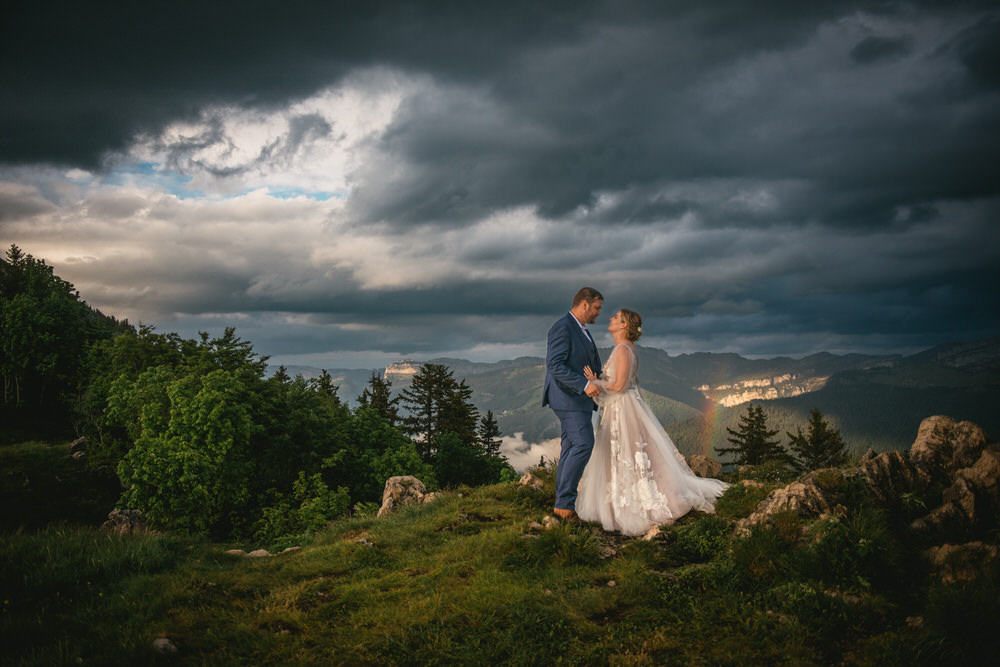
How to elope legally in Switzerland
If you are not a Swiss citizen or resident, YOU CANNOT legally get married in Switzerland. Switzerland also doesn’t allow same-sex marriage (there is another legal status for same-sex couples but they can’t marry). The best way for you to elope in Switzerland, is to first have your official marriage in your home country. You would then make your elopement day special, so that it would be considered to be your wedding day. Many couples who elope in Switzerland choose to do it this way. It is still an awesome adventure to plan that offers the opportunity to select a variety of backgrounds for the elopement. Since there is no need to be at a certain place at a certain time to sign official papers, the sky is the limit!
For couples from the US:
In certain states, you can ask your county clerk the authorization to sign your wedding license abroad. If they agree, as a registered minister, my team and I will be able to legally marry you without the hassle of a legal wedding ceremony in Switzerland.
Why you should plan an elopement in Switzerland

Beautiful landscapes
This is definitely the main reason why you should choose Switzerland for your elopement. The Swiss landscapes are absolutely jaw dropping. You will be surrounded by mountains, snowy peaks, deep forests, blue lakes, waterfalls and ancient chalets. Switzerland is a very picturesque country that will fill your adventurer’s heart with landscapes you will remember forever.
Quaint towns
Like many European countries, Switzerland has a rich history that is reflected in its local architecture. Its towns (and even the biggest cities) are absolutely gorgeous. They feature little narrow streets with ancient half-timbered houses and little shops you will enjoy discovering. You will also have the opportunity to taste delicious Swiss food, like cheese fondue, rostis, malakoffs, etc.
Amazing ski resorts
If you’re going to visit Switzerland during the winter season, don’t forget to pay a visit to one of its many ski resorts to enjoy some amazing opportunities! The Alps are widely known for their great ski resorts (Morzine, Tignes, Verbier, Megève, Zermatt, Andermatt…). Therefore, if you like to ski, don’t miss out on this excellent opportunity!
How to Get to Switzerland for Your Elopement
You have a few options when it comes to getting to Switzerland for your elopement day! Traveling by plane is easy from any part of the world, and you can also arrive by train if you’re coming from other parts of Europe.
Get to Switzerland by Plane
Switzerland has a few major airports, located in Geneva, Zürich, and Basel. Geneva and Zürich are the most popular airports, with flights arriving daily from most major airports around the world.
Get to Switzerland by Train
If you travel from another country in Europe, you may wanna consider arriving in Switzerland by train! There are several euro city trains that you can take to Switzerland from places including Germany, Austria, Italy, and more! For longer train routes, there are overnight accommodations, and you can often also arrive by plane and then board a train to your final destination in Switzerland.
Getting Around Switzerland During Your Elopement
Switzerland is known for having an incredible transportation system. The entire country is also incredibly beautiful, so getting around Switzerland during your elopement will be just as memorable as your destinations!
Most of the major cities are connected by railways, so you can travel on the modern, eco-friendly trains. Switzerland’s famous panorama trains have huge windows so that you can enjoy the views of the mountains and lakes as you pass by, but you can also take the regular passenger trains for more affordable rates!
You can also explore Switzerland by car, which is the most convenient option when it comes to reaching remote locations during your elopement. Renting a car allows you the ultimate freedom to explore the country, and a great thing about Switzerland is that you can rent an electric car! There are charging stations all over the country, so no matter where you go, it’s easy to rent an electric vehicle and charge it along the way. This is a more eco-friendly option, and while you can travel between cities by train, I recommend renting a car for at least some of the time so that you can drive to your ceremony location.
There are also a few unique transportation options in Switzerland! There are cable cars and gondolas that travel between mountain peaks, so you can get a bird’s eye view of the stunning landscapes. You can also travel across the big lakes by boat, another incredibly scenic way to get around!
Did you know?
As an elopement guide and photographer in Switzerland, I offer a reassuring service to all my couples by providing complimentary transportation during their elopement adventure. This allows them to fully immerse themselves in the joy of their elopement experience, while I meticulously manage all the logistical aspects with care and expertise.
Lodging for Your Elopement in Switzerland
A place to stay is just as much a part of your elopement experience as the adventures you have! There are plenty of amazing options in Switzerland, from hotels to remote cabins.
Hotels in Switzerland
Hotels are always a good option for places to stay when you travel, and Switzerland has some unique accommodations to consider during your elopement! The Storchen Hotel is located in the heart of Zürich, close to the airport and convenient to get to. The gorgeous waterfront hotel offers fun activities, including boat rides and scenic picnics! You can also check out the luxurious Beau-Rivage Geneve, a stunning hotel with a spa and restaurant on site.
Airbnbs in Switzerland
On Airbnb, you’ll find private accommodations for your elopement in Switzerland, with some stunning places to stay that allow you to experience the natural beauty that Switzerland has to offer!
You can find apartments with mountain views, private chalets, and cottages that look like they came out of a storybook!
Camping in Switzerland
If you really want to immerse yourself in the mountain views and gorgeous nature that Switzerland has to offer, you can go camping during your elopement!
You can find wild camping for the most remote and private experience, or stay at one of Switzerland campgrounds! The campgrounds are often well developed with restaurants, activities, and more, and you can search for accommodations here.
Did you know?
When you choose to book your elopement experience with me, you’ll gain access to my personalized concierge service. I’ll provide you with recommendations for exceptional hotels and connect you with talented local vendors who will enhance your elopement experience.
The best locations for an elopement in Switzerland

Zermatt (and the Matterhorn)
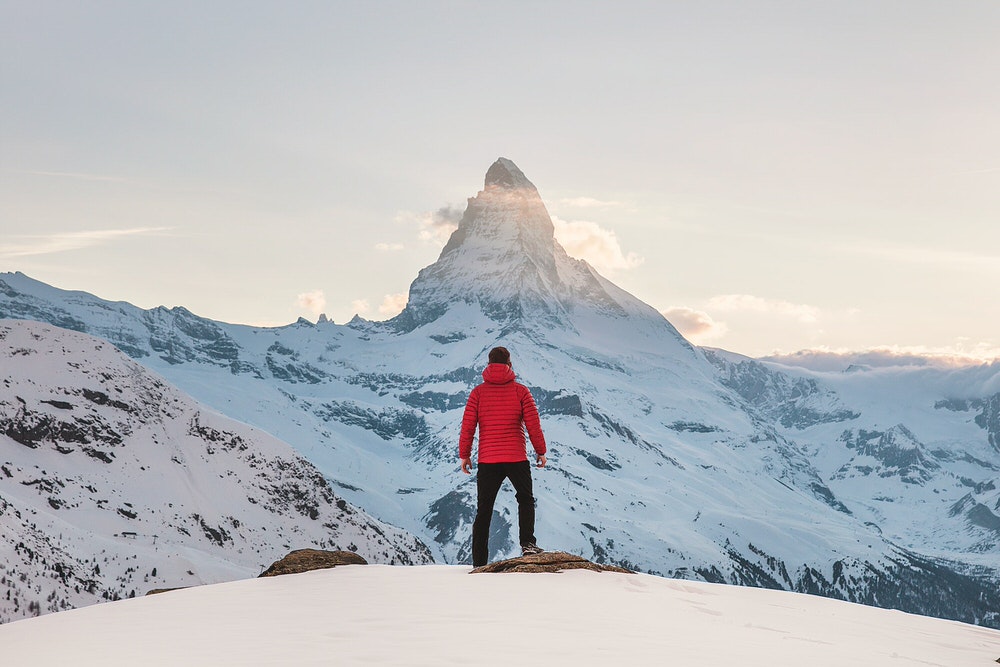
Zermatt is a very famous ski resort that you can only reach by train (yes, you read that right). The Glacier Express is a short train ride away from this car-free town that offers an amazing view of the Matterhorn (have you ever seen a packet of Tobblerone chocolate? It features the Matterhorn!). Every season is an amazing opportunity for your elopement in Switzerland, if you choose Zermatt. It offers something different for every month of the year!
Ticino
Since it is not very accessible, the Ticino region is well-known to visitors. This is why it is one of the best regions to visit for your elopement in Switzerland. It is calmer and wilder than the other areas. It has many hidden gems and the mountains of Ticino boast beautiful scenery and hiking opportunities.
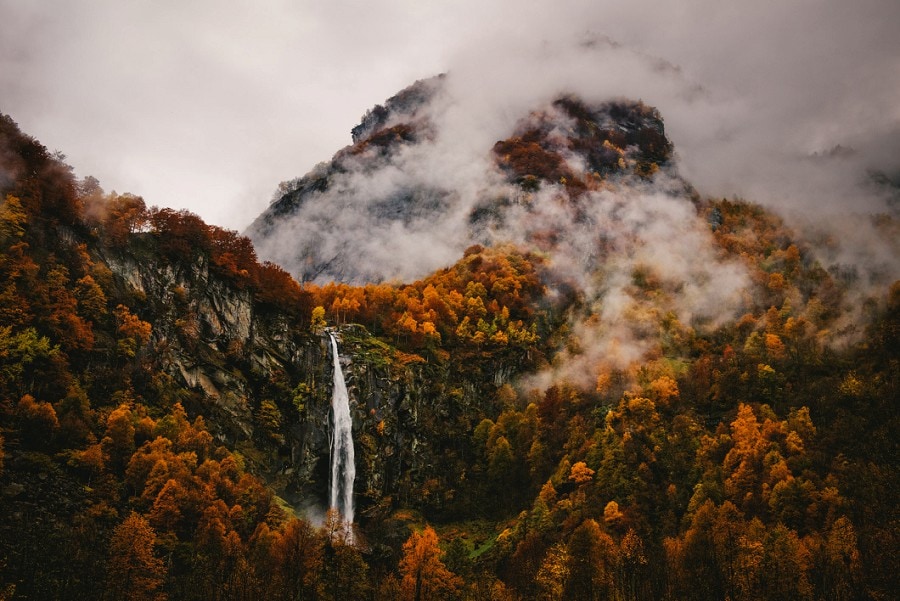
Switzerland National Park
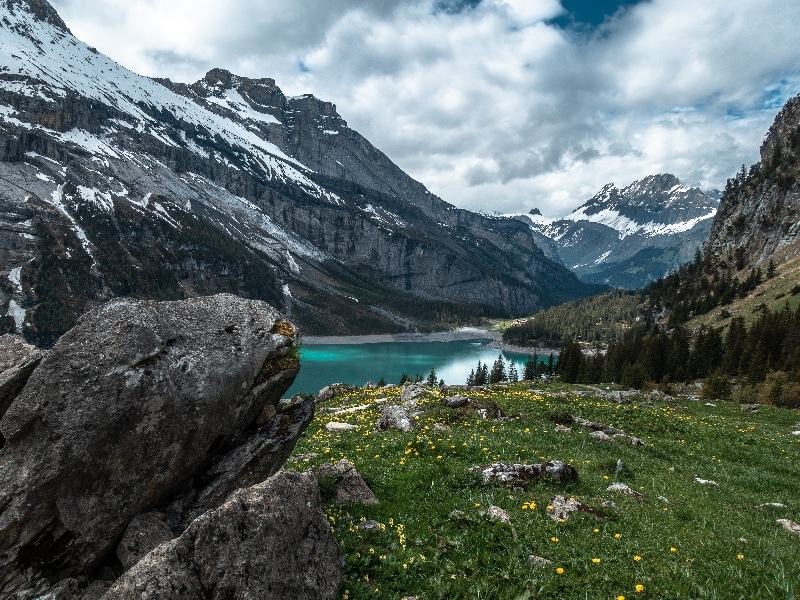
The only Swiss national park is full of amazing wildlife and hiking trails that are perfect for your elopement in Switzerland. You will enjoy some amazing views of the forests and (sometimes snowy) peaks, as well as jaw-dropping panoramas over the nearby mountains.
Lauterbrunnen
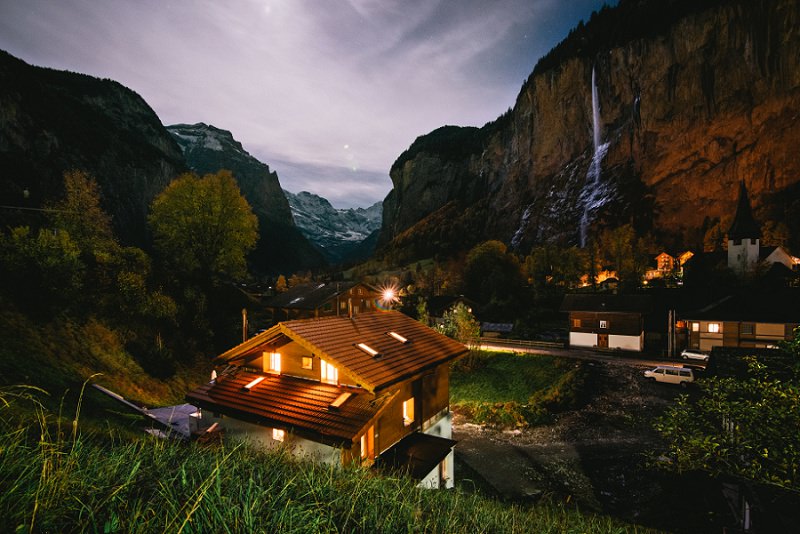
Plan carefully, if you want to visit Lauterbrunnen. It is a very popular touristdestination. You will understand the reason very quickly: imagine an ancient Swiss village nestled in a huge valley with dozens of waterfalls. This is Lauterbrunnen. You will have an amazing opportunity to exchange your vows with a view of the village by taking one of the many trails that go to the nearby peaks.
Jungfraujoch
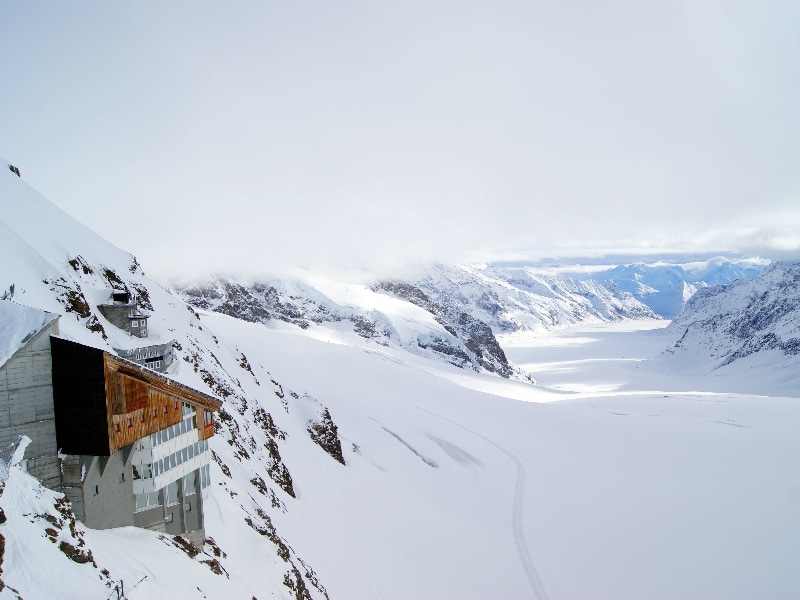
Maybe you’re dreaming of something truly incredible for your elopement in Switzerland. If that is the case, Jungfraujoch is the answer. This observatory is perched on top of a peak in the middle of an ice sea. You can only visit it by taking a train to the highest train station in Europe. You can also sleep in the La Mönchsjochhütte, the highest snow hut in Switzerland at 3650m!
Mürren
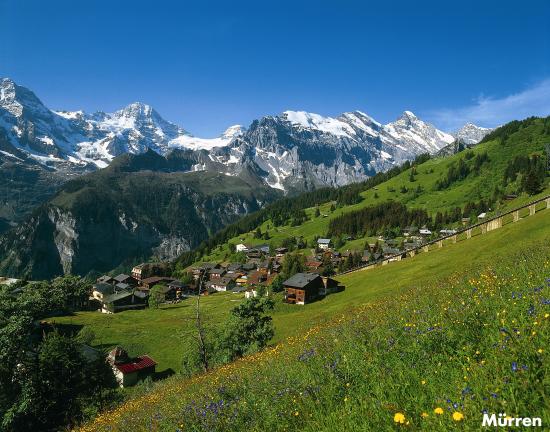
You can again only access this beautiful little town by train. However, it’s totally worth the trouble, since the views are absolutely amazing for an elopement in Switzerland!
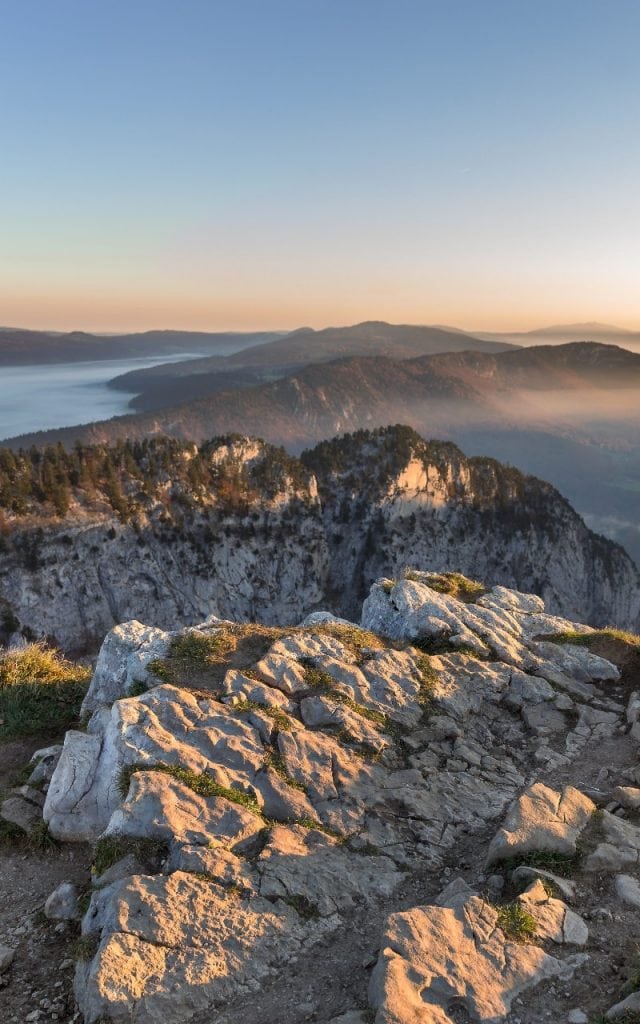
Creux du Van
This horse-shaped rock formation seems to be out of this world! You can hike to the summit to get the best view on the “sentier des 14 contours”, a 14-kilometre long hike that will get you right where you can exchange your vows.
Did you know?
There is so much more to discover in Switzerland beyond the popular spots like Jungfrau. When you decide to plan your elopement with me, I will curate a personalized list of 4 to 5 extraordinary off-the-beaten-path locations that align seamlessly with your preferences. Let me guide you to Switzerland’s hidden gems, far from the usual tourist destinations.
The best time for an elopement in Switzerland
WINTER
I will start with winter, since it is the main reason why Switzerland is famous. You will find plenty of snowy landscapes, amazing ski opportunities, delicious cheese specialties and many other perks, when you plan your elopement in Switzerland during the winter season. The Swiss are used to the snow and winter is truly the liveliest season!
SPRING
In the spring, ski resorts are slowly shutting down and snow is melting at the lowest altitudes. This season may be a little dull, especially in March and April. May might be the best month to visit for an elopement in Switzerland, since the temperatures are warming up, spring flowers are blooming everywhere and the tourist season hasn’t fully begun.
SUMMER
Summer is a very popular tourist season in Switzerland, especially during the holiday break of July and August. The weather will be nicer (although you will still have storms) but there will be crowds of tourists everywhere. As a result, it will be harder to find a secluded place to exchange your vows.
FALL
If you’re planning on visiting Ticino, then fall is THE best season. Since there are larks everywhere, you will be able to enjoy an amazing display of colors, while driving or hiking around. Nothing is more beautiful than a mountain covered with red trees! The first week of November is the best time to enjoy the show.
Did you know?
While the idea of a winter elopement in Switzerland is undeniably tempting, there’s a catch – it’s the high season! Those picturesque mountaintops you’ve been daydreaming about are in high demand by skiers and snowboarders. This means we’ll have a bit of a challenge finding a secluded spot for your ceremony without donning snowshoes, which could turn into a unique adventure of its own. So, are you up for a little extra thrill on your big day?
Unique Things to Do When You Elope in Switzerland
When you elope, the best part is that you get to do whatever you want to do!
This experience should be an incredible adventure, so think about what would truly make this the best day ever.
There are so many amazing things to do in Switzerland, but here are just a few ideas.
Go Skiing
Switzerland is known as one of the best skiing destinations in the world! So if you want to hit the slopes and enjoy the winter wonderland, you’ll find plenty of cozy resorts and lodges for your stay. Whether you’re an experienced skier, or you want to try it out, Switzerland is the perfect destination for winter sports.
Enjoy the Water
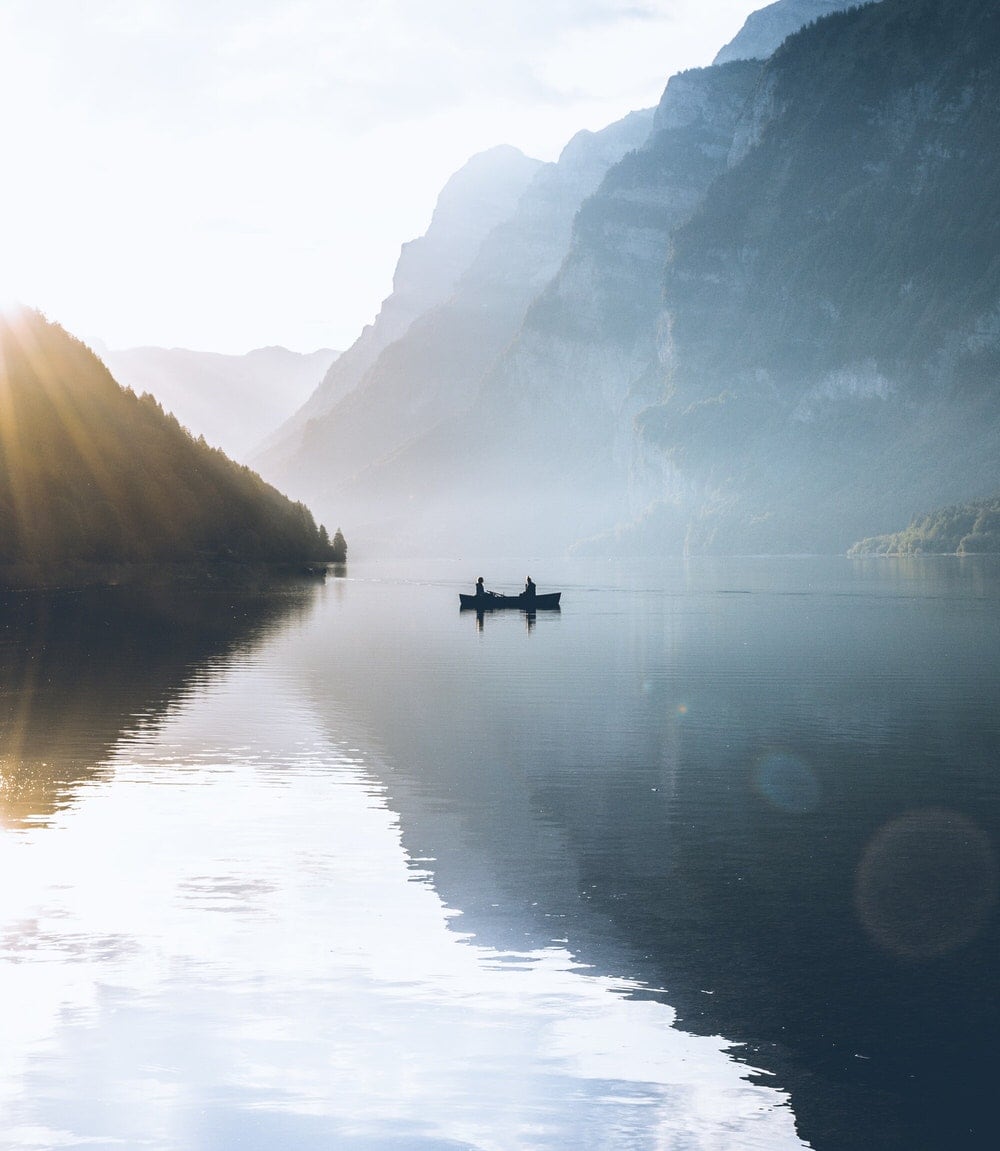
Switzerland has some incredible alpine lakes, and while you can definitely enjoy them from the shore, getting in the water takes you on a new adventure! You can go swimming, but you can also stay dry by taking a paddleboard or kayak to paddle out and enjoy the serene lakes, or you can book a fun boat tour.

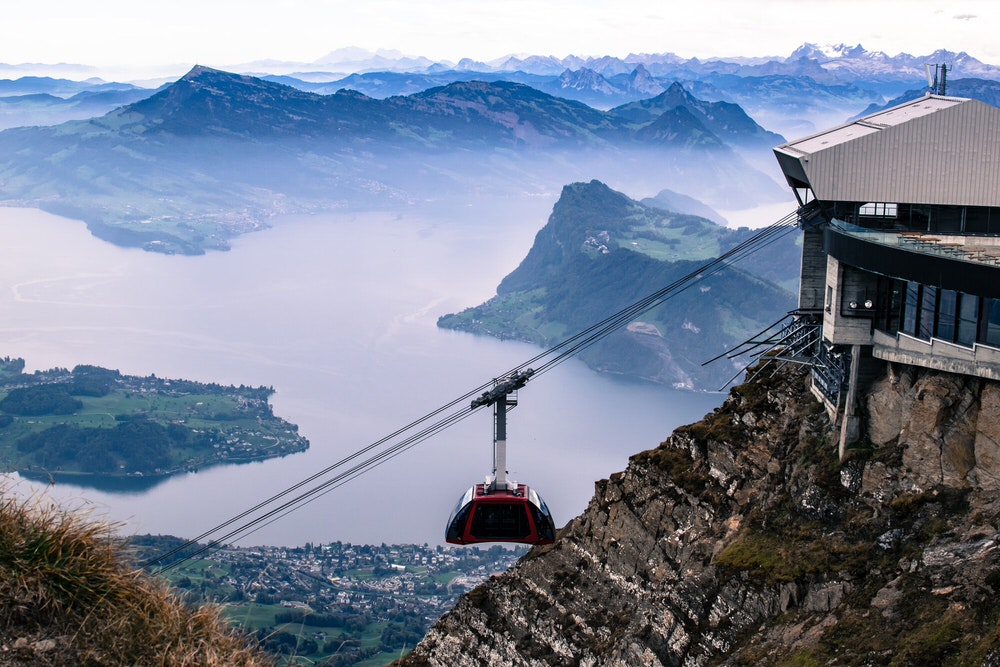
Ride in a Cable Car
Another fun, unique experience that you can have when you elope in Switzerland is a trip in a cable car. You can soar over incredible mountain peaks and experience the landscape from above, and there are cable cars all over the country – the most popular experience takes you to the top of the Matterhorn!
What to wear for your elopement in Switzerland
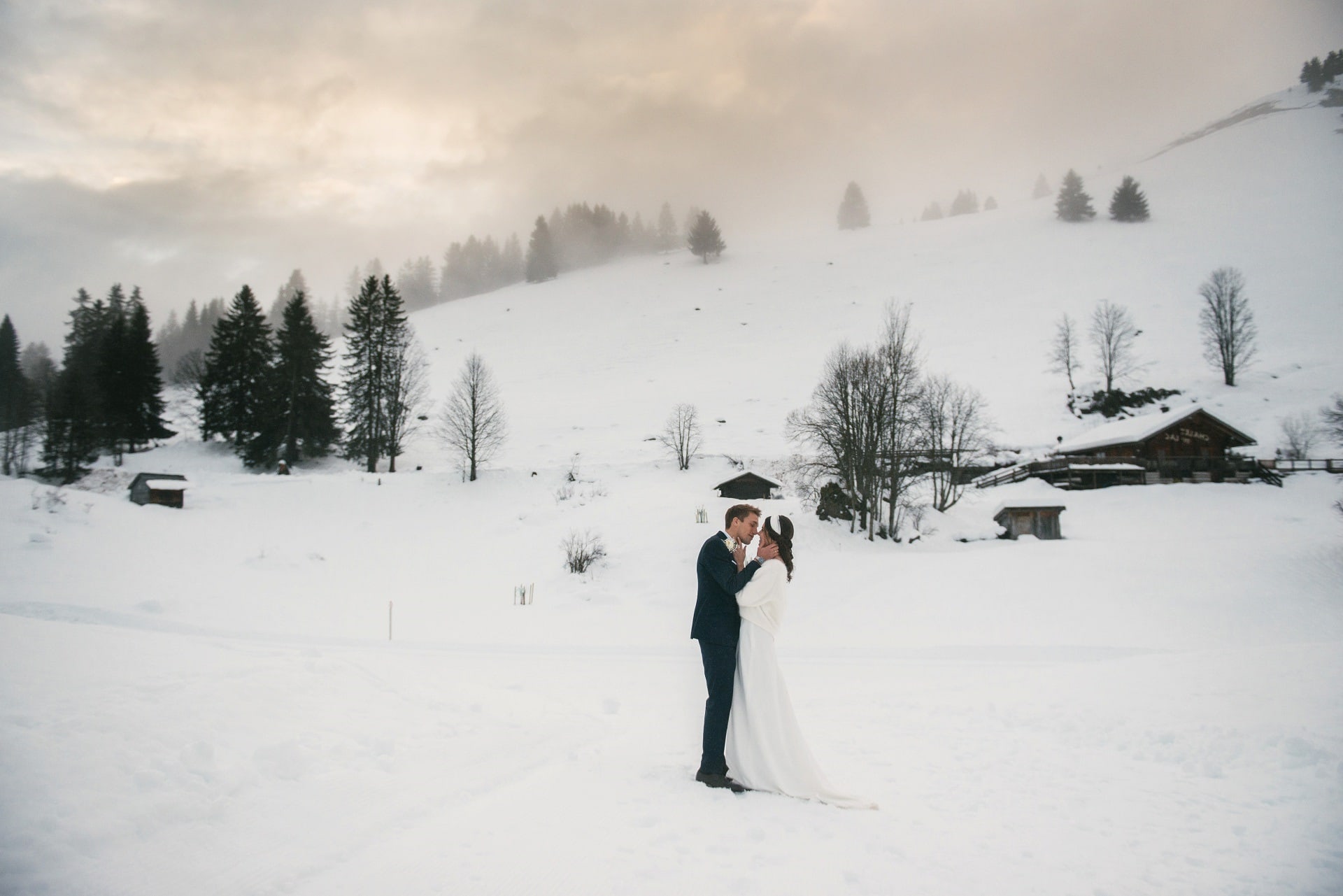
Although elopements are generally thought to be laid-back and casual, this is not necessarily the case. Elopements can also be luxurious, delicate affairs and will require some special adjustments. Feeling beautiful while exchanging your vows and wearing something truly special for this moment might be something you truly care about. This is why this section will cover everything you need to know, when it comes to what to wear for your elopement in Switzerland.
The Dress
Since Switzerland can get very cold, even in summer (and winters are very cold), you will want to pick something flowing yet long-sleeved and warm. You will find many designs that will allow you to have a beautiful, lightweight wedding dress, while not giving up on the necessary warmth for a wedding in the mountains. If you pick a short-sleeved design, be sure to always have another layer of warmth to add, if needed. During winter, layers are preferable to huge puffy jackets that won’t be photogenic. You can also bring a nice woolen scarf! Don’t forget that you’re going to walk in your dress (sometimes a lot!), so be sure you are comfortable.
The Shoes
For winter weddings, forget the idea of wearing nice wedding shoes: ski boots are the way to go! Don’t forget you’re going to do a lot of walking during your elopement (from 1 km to several kms, depending on where you decide to exchange your vows). Therefore, choosing vintage leather hiking shoes is always the best way to go! Hiking boots, in general, are great for adventure elopements. You can buy a pair, especially for your big day! Try to avoid flashy colors that might divert attention on your elopement pictures. Always choose shoes that you will be comfortable walking several kilometers in.
The Suit
Just like the bride, don’t forget that you’re going to hike in the mountains in your suit. Therefore, make sure that it is comfortable and sturdy! You can select just about any style. Just be sure that you have an extra layer of warmth. Even if you’re eloping in Switzerland in summer: it can get cold can very quickly, especially if you’re having a sunrise or sunset ceremony. For a winter elopement, choose a nice jacket that will keep you warm in the snow!
Typical food and dishes from Switzerland
You might want to integrate into your elopement day
Fondue
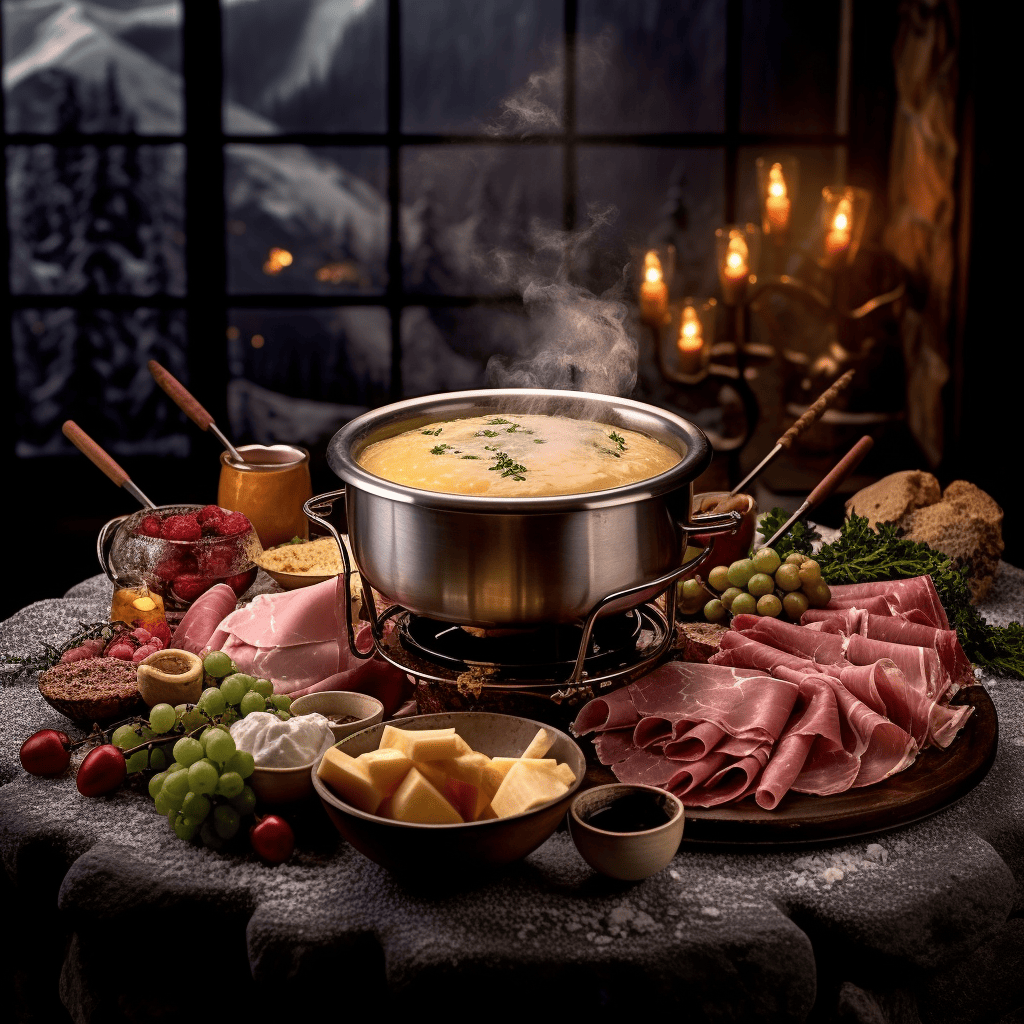
Fondue is a beloved Swiss dish that has gained popularity worldwide. It involves dipping bite-sized pieces of bread into a pot of melted cheese, typically a blend of Gruyère and Emmental cheese, along with garlic, white wine, and sometimes a splash of kirsch. Fondue is often enjoyed as a communal meal, bringing people together to savor the warm and gooey goodness.
Raclette
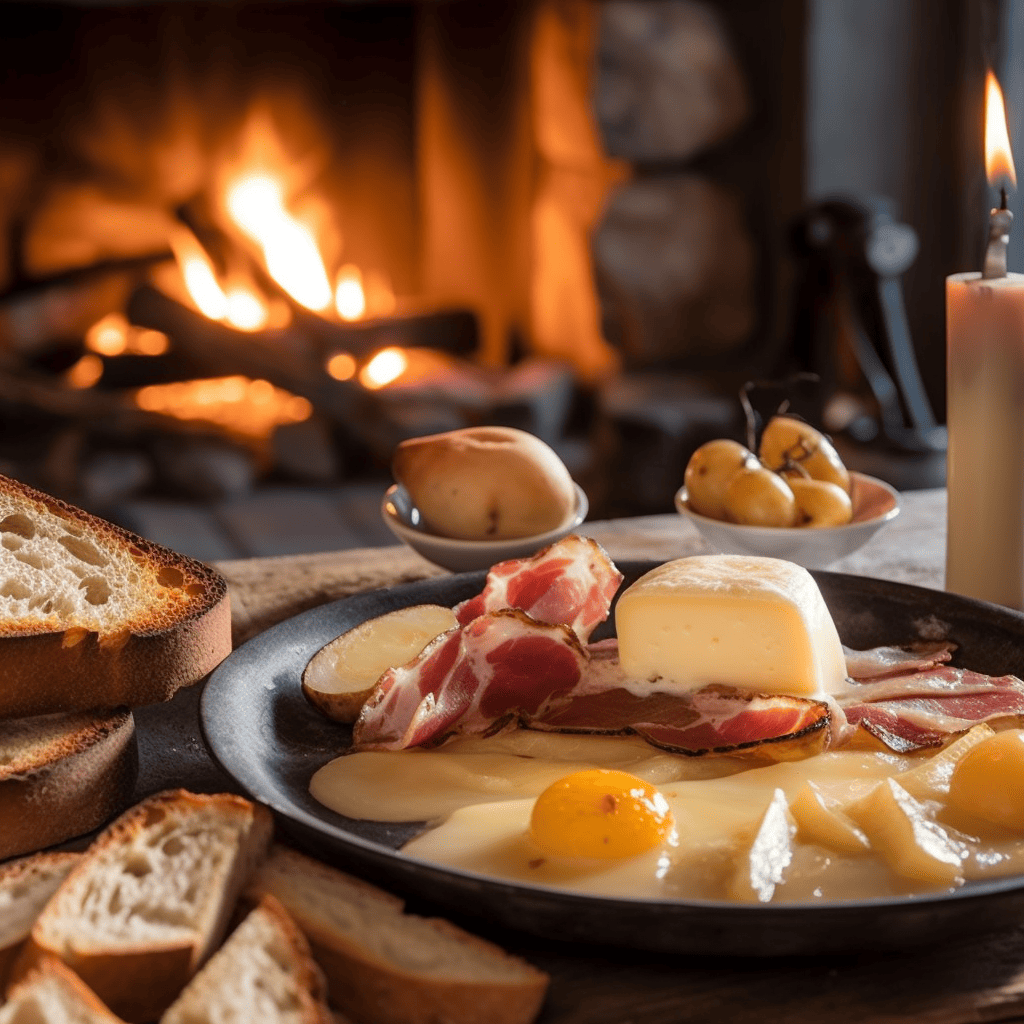
Raclette is another traditional Swiss dish that centers around melted cheese. It involves melting a wheel of raclette cheese and scraping off the melted part onto a plate, which is then accompanied by boiled potatoes, pickles, onions, and various cured meats. Raclette is a delightful combination of flavors and textures that embodies the cozy and convivial nature of Swiss cuisine.

Rösti
Rösti is a Swiss-style grated and fried potato dish that is popular across the country. It consists of grated potatoes seasoned with salt and pepper, and then pan-fried until golden and crispy. Rösti is often served as a side dish or a breakfast staple, and it pairs well with a variety of accompaniments such as sausages, eggs, or cheese. Its simplicity and deliciousness make it an iconic dish in Swiss culinary culture.
Example budget of an elopement in Switzerland

When it comes to elopement budgets, I understand the challenges of providing a precise estimate for vendors outside of my own expertise. The cost can greatly vary depending on your chosen destination and the quality of vendors you desire.
Elopement expenses are significantly influenced by factors like your chosen location. Rather than providing generic budget estimates for vendors I don’t work with, I recommend exploring my elopement packages. They include all-inclusive options, giving you a clearer view of your budget and costs.
Latest elopements in Switzerland
Discover here the latest elopements in Switzerland I had the chance of planning and photographing.
A sunset elopement embracing the rain
With a magical train ride up the mountain and a mystical ceremony with a view
A sunset elopement in a magical valley
With a ceremony surrounded by majestic mountains
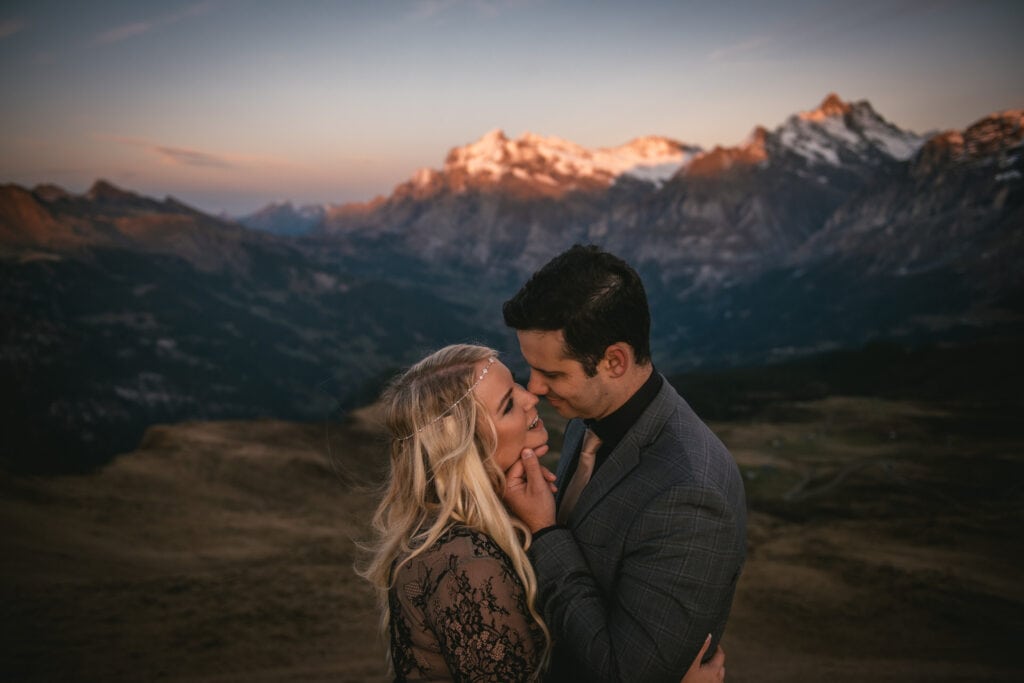
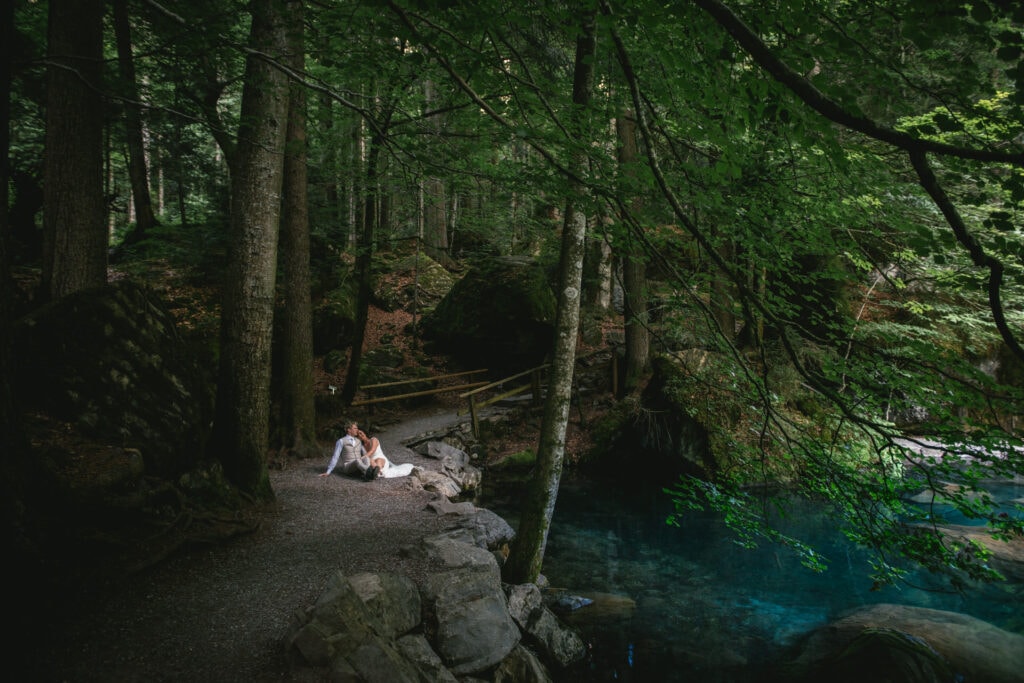
A 2-day hiking adventure elopement
With a boat ride on an incredible lake
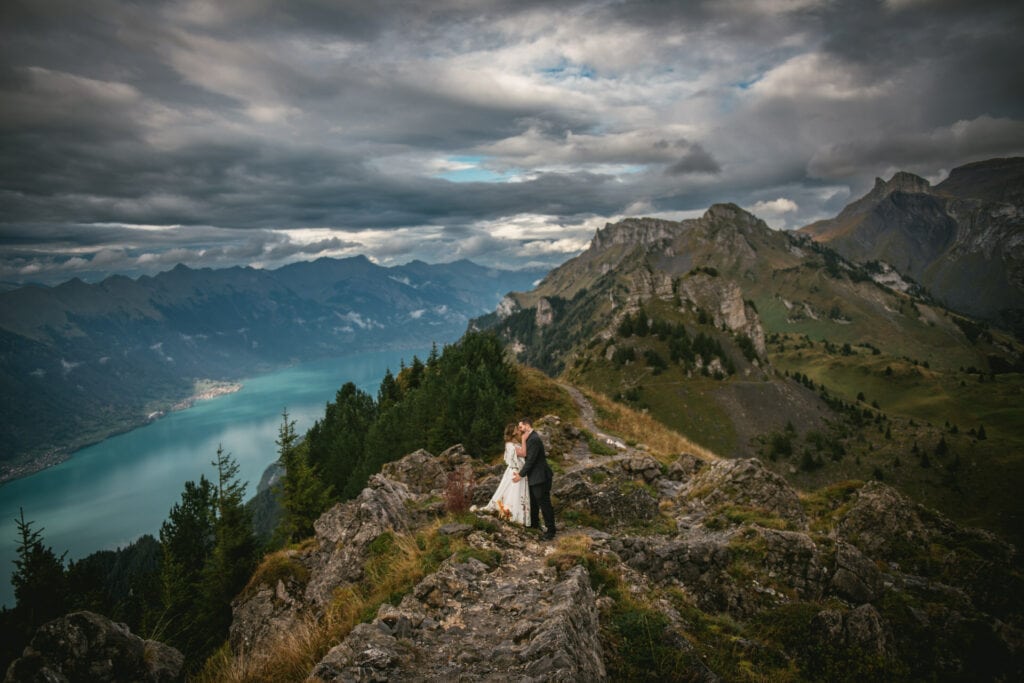
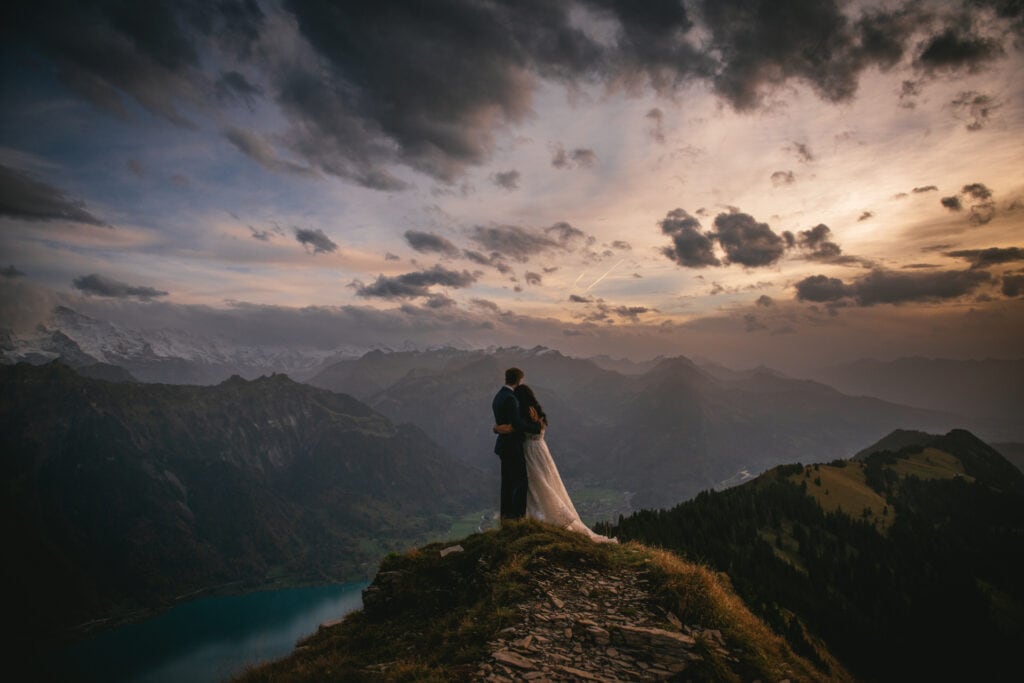
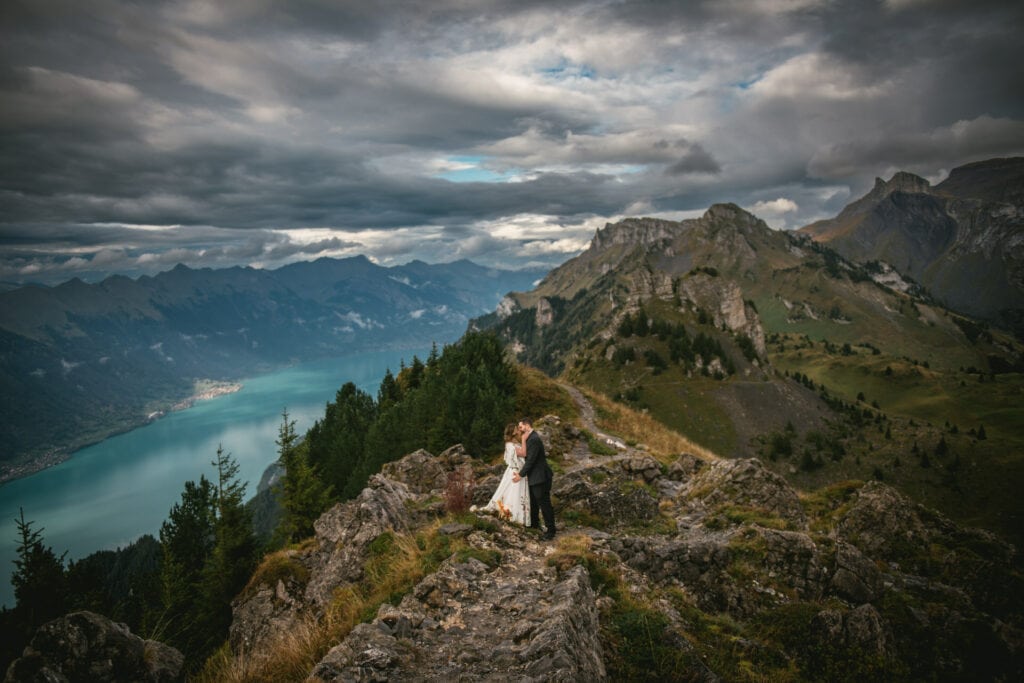
A hiking elopement on a ridge
With a magical photoshoot on lake Brienz at sunset
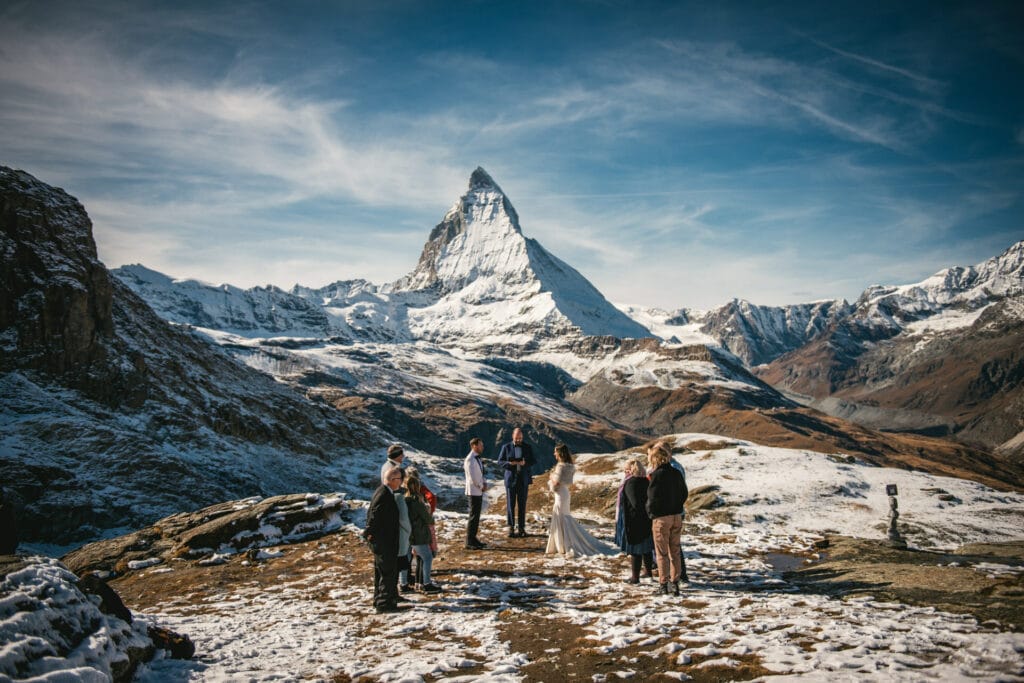
A simple adventure elopement overlooking the Matterhorn
With a short hike in the mountains and the snow
A snowy elopement day near Zurich
With a photoshoot near a Swiss chalet
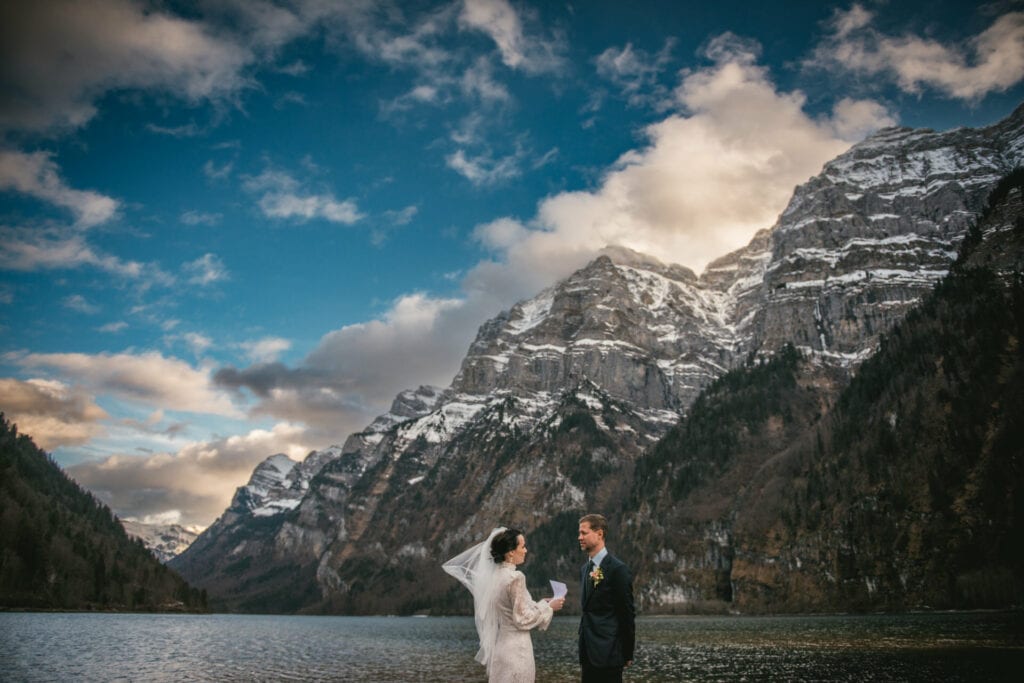
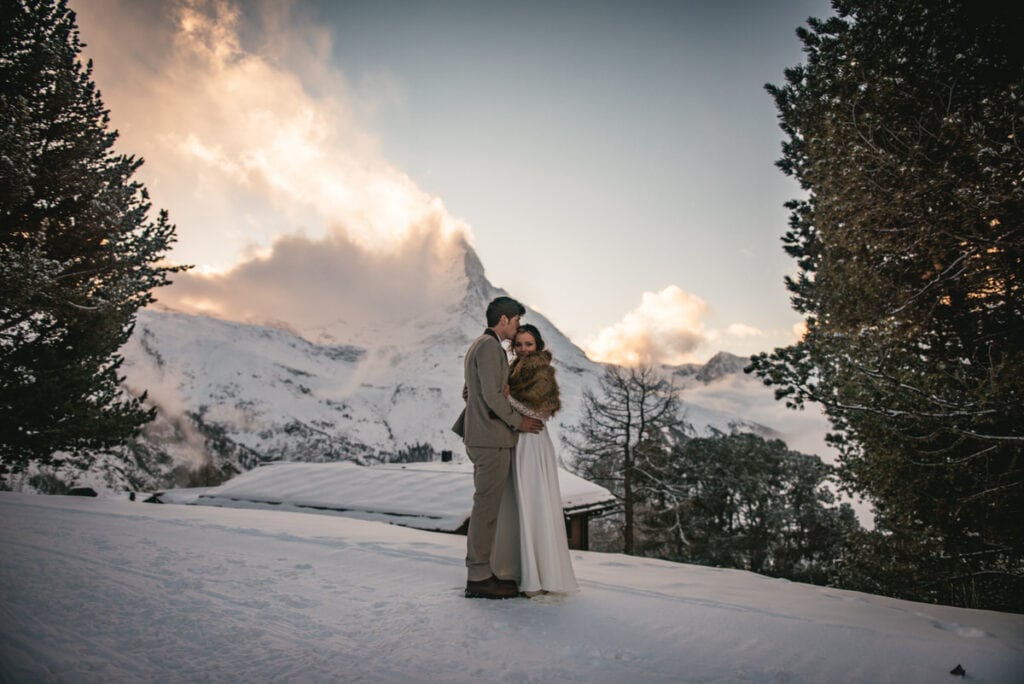
A snowy winter elopement in Zermatt
With an incredible appearance of the Matterhorn during a snow storm
Eloping in Switzerland – your checklist
Think about where you’d like to go
Switzerland offers many different landscapes, from the peaceful city of Geneva all the way to the peaks of the Jungfraujoch. Therefore, start with a region you’d really like to visit and go from there.
Pick a date
Picking a date will help you contact all your vendors to give them an approximate day. Be flexible, since some of your favorite vendors might not be available on your date, especially if it’s a Saturday. Try to pick a weekday instead!
Find more information about travel visas
You might need to apply for a travel visa to visit Switzerland. Please check your home country’s requirements before planning your travel!
Book your accommodation
Once everything is sorted out, you can start booking your accommodations. Visiting websites like Homeaway, Booking.com, TripAdvisor, Airbnb and Hotels.com will help you find the best accommodation options in the region you chose for your elopement in Switzerland.
Find a place to exchange your vows
The vows exchange will be the most emotional day of your Swiss adventure, so make sure you pick a location that you will love Your photographer might be able to help you choose the best place based on tourist flows, sunrise and sunset hours, relief and many other factors. Therefore, don’t hesitate to ask for help.
Book your other vendors
You can elope in Switzerland with just the two of you. However, some couples still want to make this day extra special and add a touch of elegance with a fresh bouquet, a nice dress and/or suit, an officiant, vows books, etc. Make sure that you also book your vendors well in advance of the big day.
Plan your travel
Eloping in Switzerland CAN be the beginning of an amazing adventure. There is so much to see. You will be able to plan a whole road-trip around the country and discover a different landscape every day! Your photographer might be able to follow you on the whole trip to take couples pictures in the most amazing and jaw-dropping locations of the country.
Book your photographer
Elopement photographers in Switzerland are not very common. This is because elopements are not well-known in Europe, as they are in the United States. You must, therefore, choose wisely the person who will be following you and helping you plan your big day. Elopement photographers tend to be booked six to 12 months in advance,. It is important to contact the one whose work you love, to make sure that you will be a good match as soon as possible! Your photographer might also be able to help you choose the best location to exchange your vows, based on sunset times and locations. Therefore, choose someone who has experience shooting in Switzerland (like me!) to make sure you will have the best options possible!

DOES SWITZERLAND SOUND LIKE YOUR DREAM?
How to plan your peaceful elopement in SWITZERLAND with me

Let’s dive in, so you can start your journey right away!
Imagine a wedding where you can be you. Breathe. Bask in each other’s love.
Experience a place close to your hearts, or a bucket-list dream.
Inspiration for your Switzerland elopement
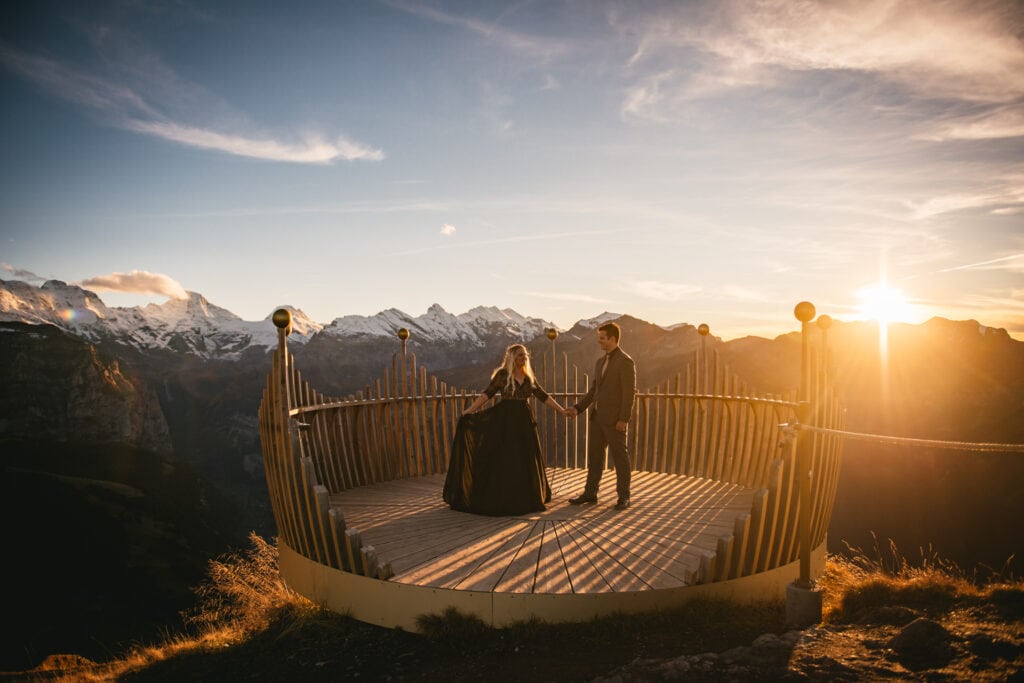
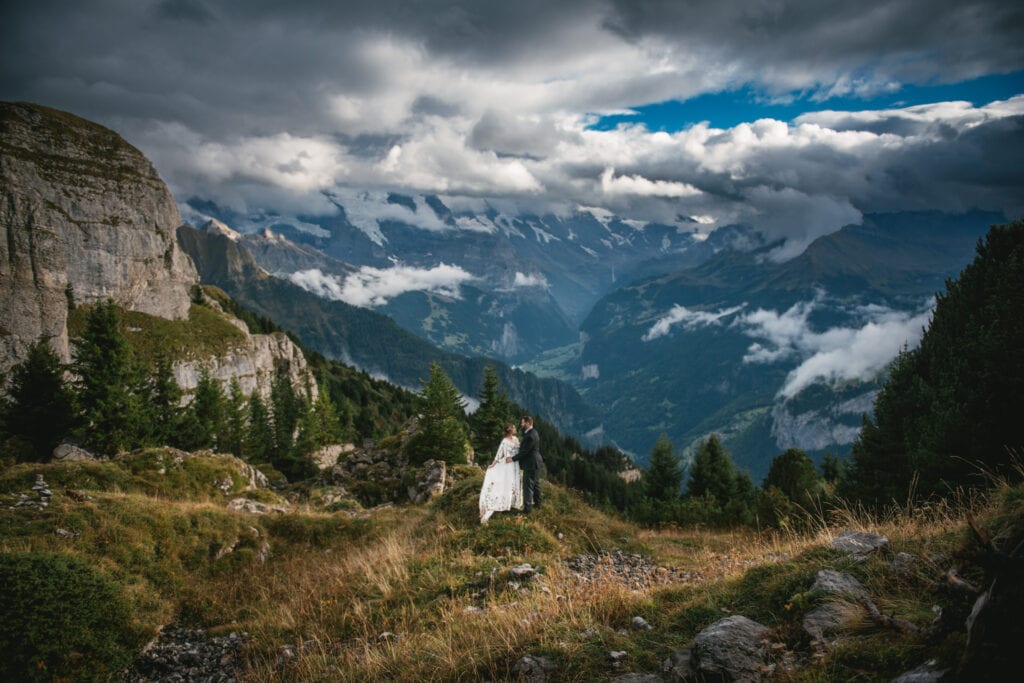
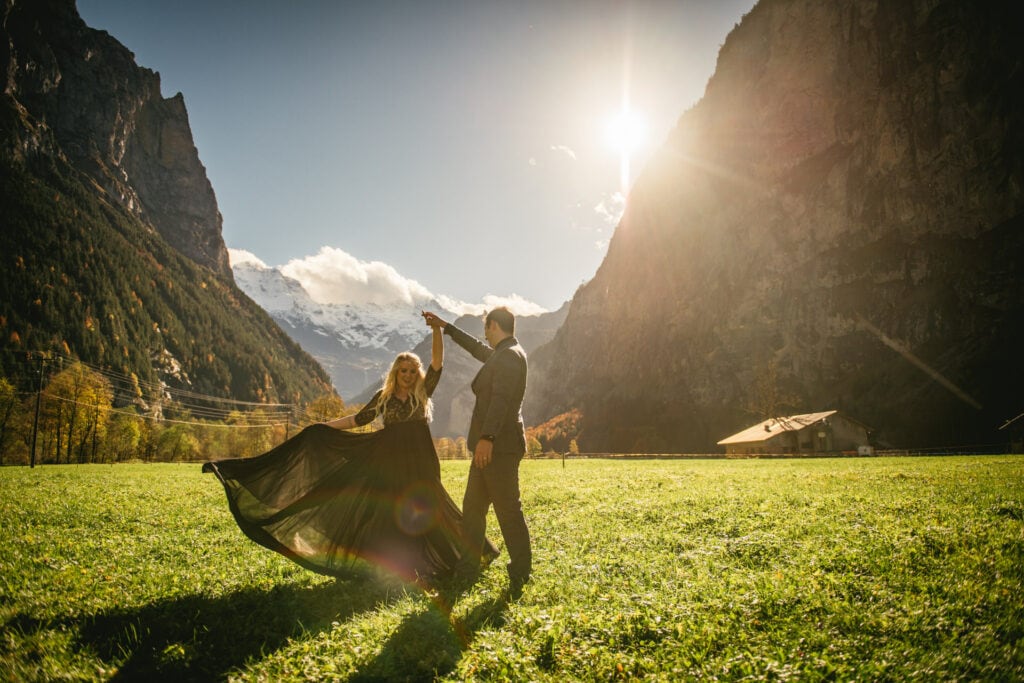
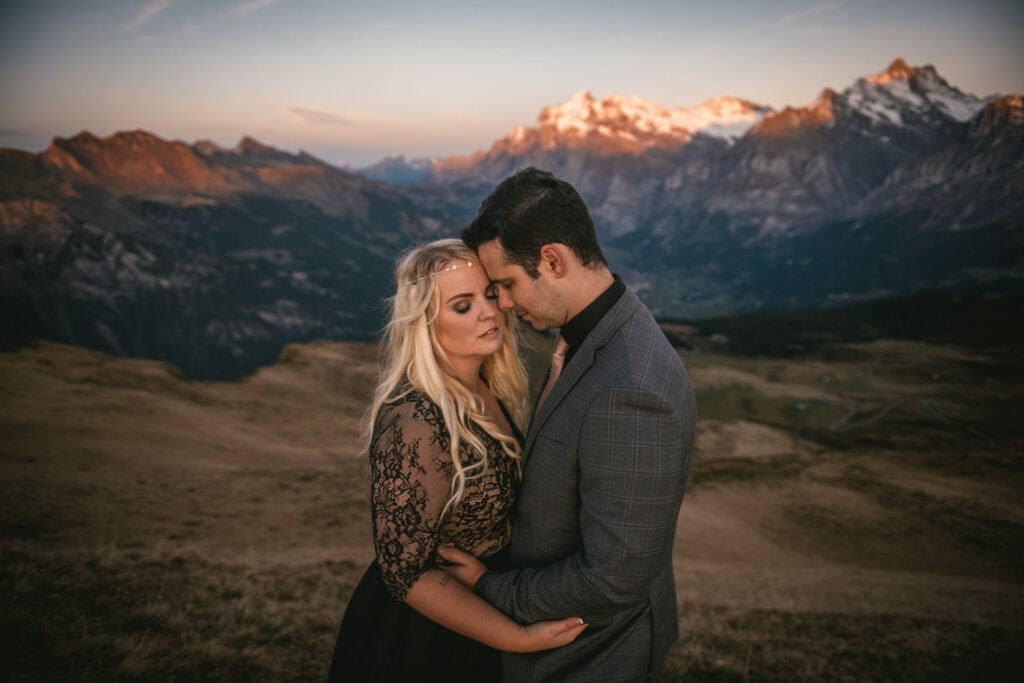
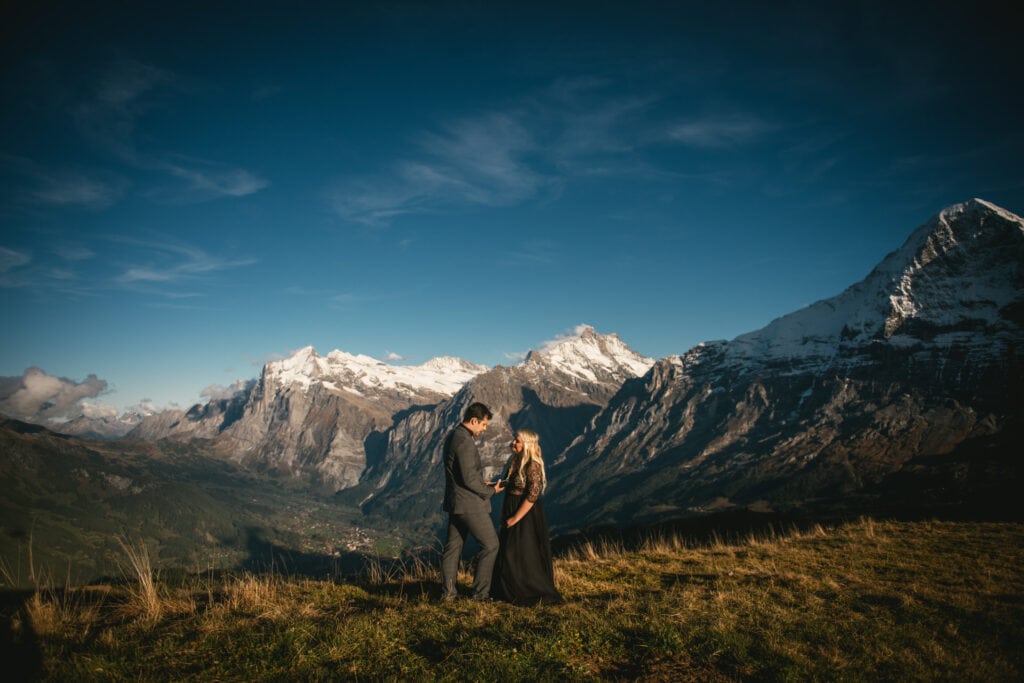
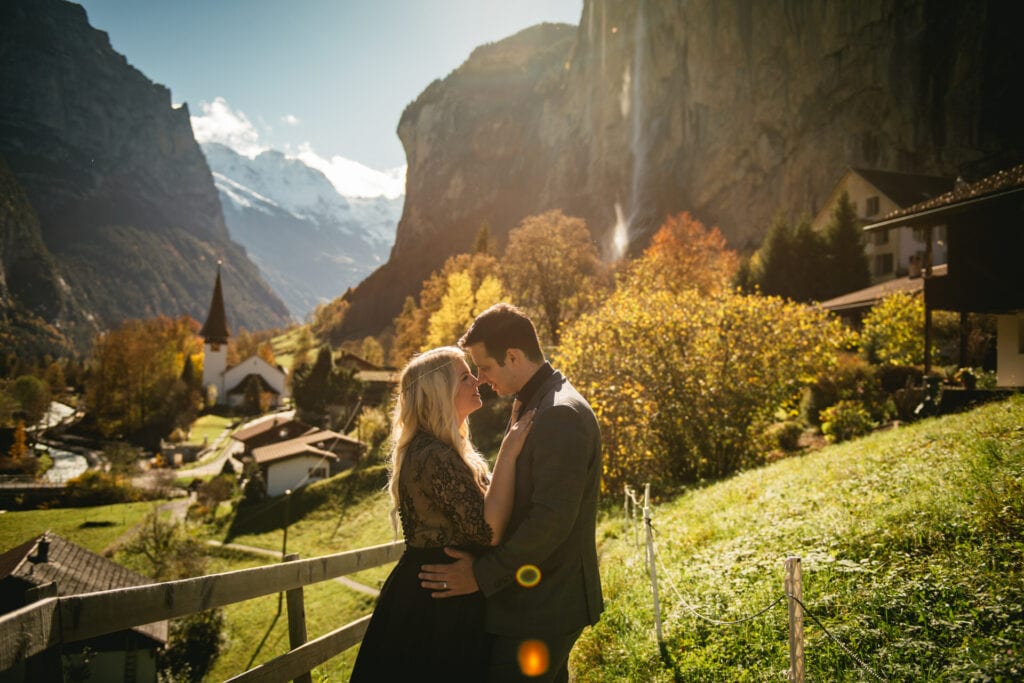
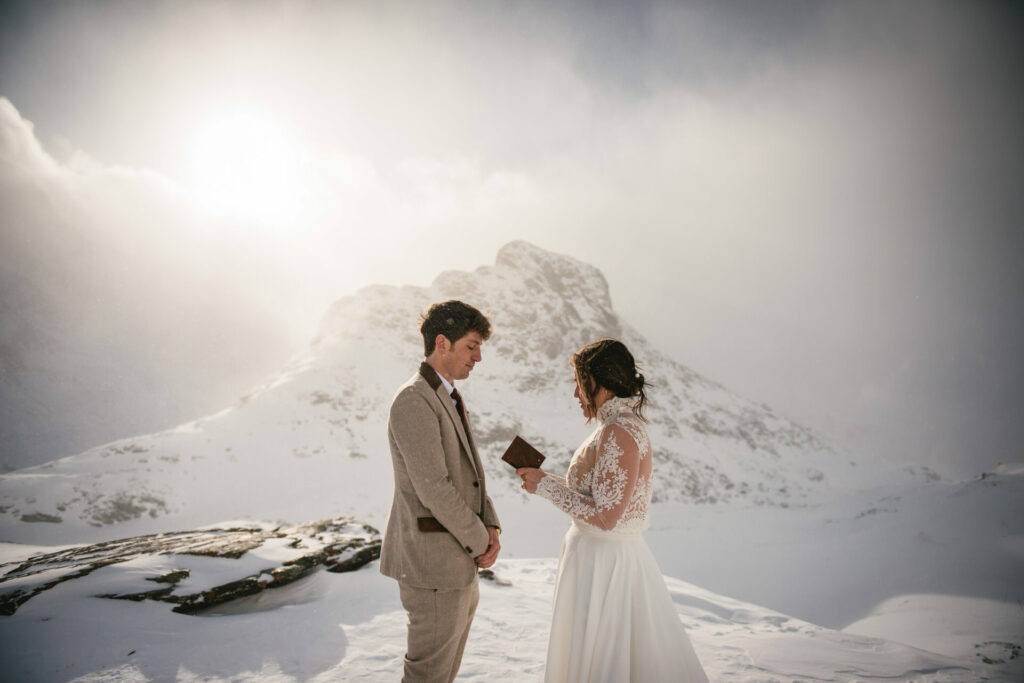
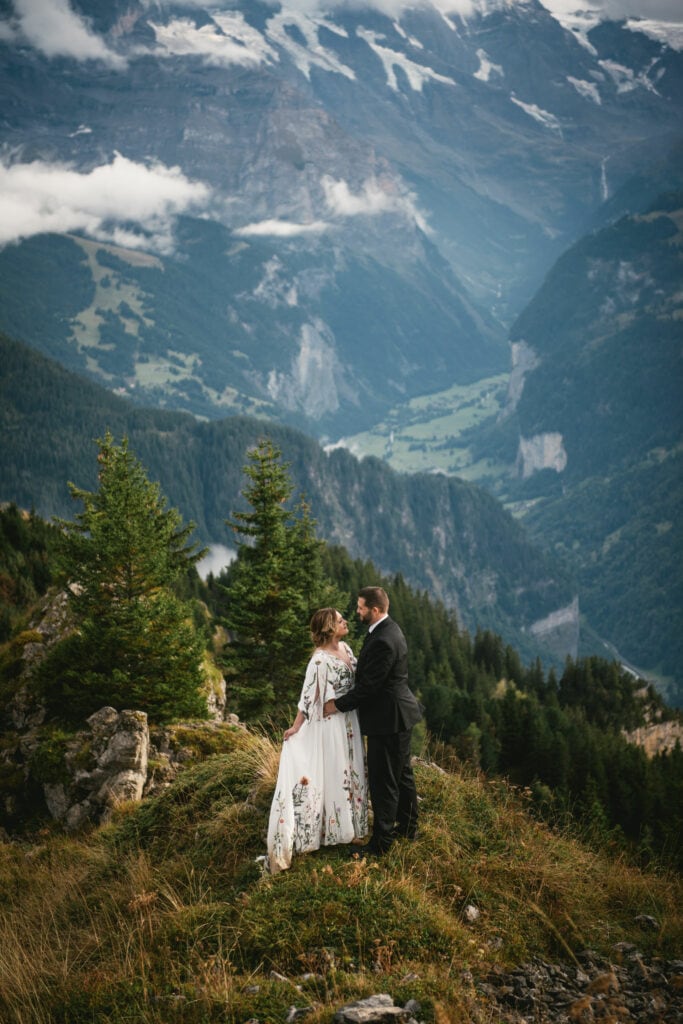
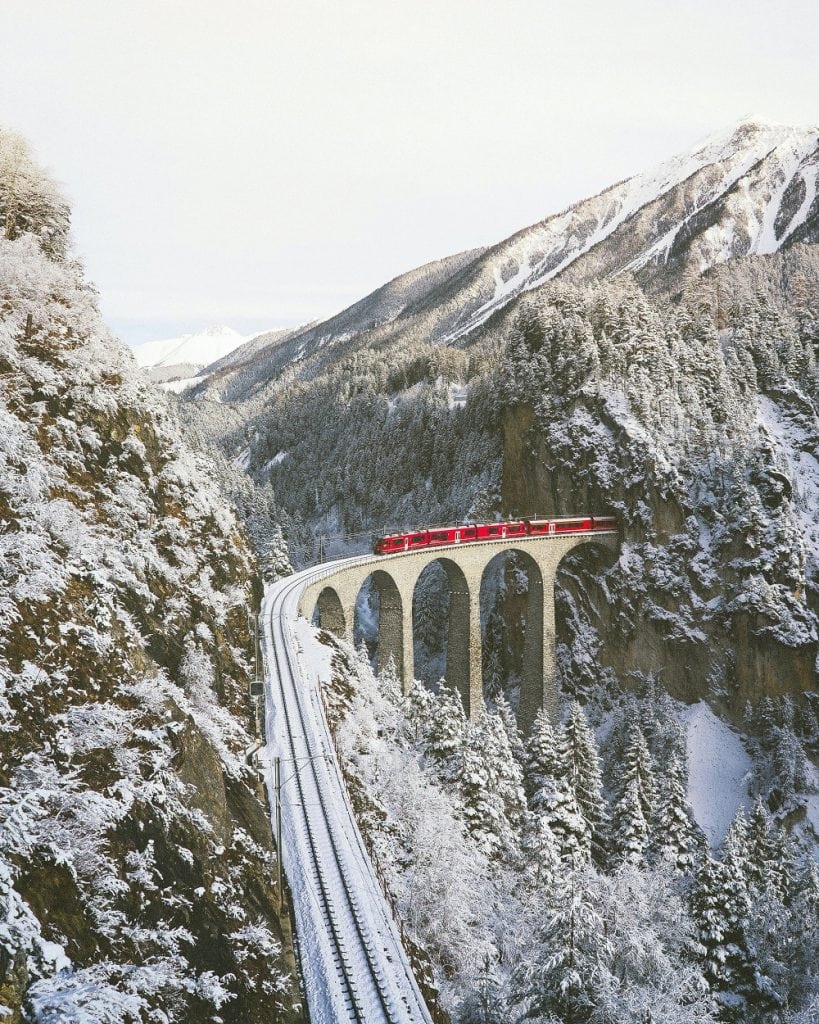
Here are some photos I created with my amazing past couples to inspire you!
Let’s chat!
Are you eager to start planning your elopement in Switzerland? I’m here to help you envision, plan and immortalize this beautiful adventure! Contact me now for a free consultation!