
Your dream Scotland elopement – the ultimate planning guide
UPDATED FOR 2024-2025
AT A GLANCE
Best time to elope in Scotland
March to May, and September to November
Can foreigners get legally married?
Yes, it’s possible for anyone to get married legally in Scotland.
Cool piece of info
Scotland is home to over 2,000 ancient castles, making it one of the world’s most castle-rich countries.
Scotland is the land of the brave, wilds and adventure lovers. It is the best destination for couples looking for an incredible, beautiful and peaceful adventure for their elopement. With ragged mountains, deep lakes, mystical forests, ancient castles and delicious food, Scotland has it all. To be honest, it has always been my favorite location for an adventure elopement.
If you’re thinking of Scotland for your elopement, you’re on the right page. In this article, I will tell you everything you need to know to elope in Scotland: venues, tips, places and everything in between, so you will be able to plan the most peaceful and amazing elopement.
Let’s dive in…
How to elope in Scotland – a quick checklist
- Choose the best time of the year to elope
- Choose your elopement location
- Choose the duration of your stay (I recommend anywhere between 7 to 15 days to fully discover the country)
- Book your flights
- Book your accommodation
- Book your activities
- Get your wedding license
- Need help? Check out my Scotland elopement packages
- Last details before you leave
How to Legally Elope in Scotland
Getting legally married in Scotland, whether for a traditional wedding or a Scotland elopement, involves several steps. Here’s an overview of the process:
- Choose Your Location:
- Scotland offers a wide range of picturesque locations for your elopement, from historic castles to scenic landscapes. Choose your preferred location and check if it’s a registered venue for civil ceremonies or if it requires additional permissions for outdoor ceremonies.
- Give Notice of Marriage:
- Regardless of your nationality, you’ll need to give notice of your intent to marry at a Scottish registrar’s office. This notice can be submitted up to 3 months before your wedding date but no later than 29 days before.
- Attend the Registrar’s Office:
- Both you and your partner must appear in person at the registrar’s office to provide the necessary documents and information. You’ll need to bring proof of identity, nationality, and residence, as well as your birth certificates and any required divorce or death certificates if applicable.
- Complete the Marriage Schedule:
- After giving notice, you’ll receive a Marriage Schedule. This document is essential for your ceremony and must be given to the celebrant on your wedding day.
- Choose a Celebrant:
- For a civil or religious ceremony, you can choose a registered celebrant in Scotland to officiate your wedding. This could be a registrar, minister, priest, or humanist celebrant.
- Hold the Ceremony:
- On your chosen date, you’ll have your Scotland elopement ceremony. During the ceremony, you’ll sign the Marriage Schedule, and your chosen celebrant will lead the proceedings.
- Obtain the Marriage Certificate:
- After the ceremony, your Marriage Schedule will be sent to the registrar’s office to be officially recorded. You can then apply for a marriage certificate, which is the legal proof of your marriage.
- Optional Religious or Belief Ceremony:
- If you plan to have a religious or belief ceremony in addition to your civil ceremony, you must arrange this separately with the relevant religious or belief body.
It’s important to note that the specific requirements and details may vary based on your individual circumstances and the location you choose for your Scotland elopement. Therefore, it’s advisable to contact the registrar’s office in the area where you plan to marry for guidance on the exact process and any additional requirements.
For couples from the US:
In certain states, you can ask your county clerk the authorization to sign your wedding license abroad. If they agree, as a registered minister, my team and I will be able to legally marry you without the hassle of a legal wedding ceremony in Scotland.
Can foreigners elope in Scotland?
Yes, foreigners can elope in Scotland.
Top 5 Scotland elopement locations
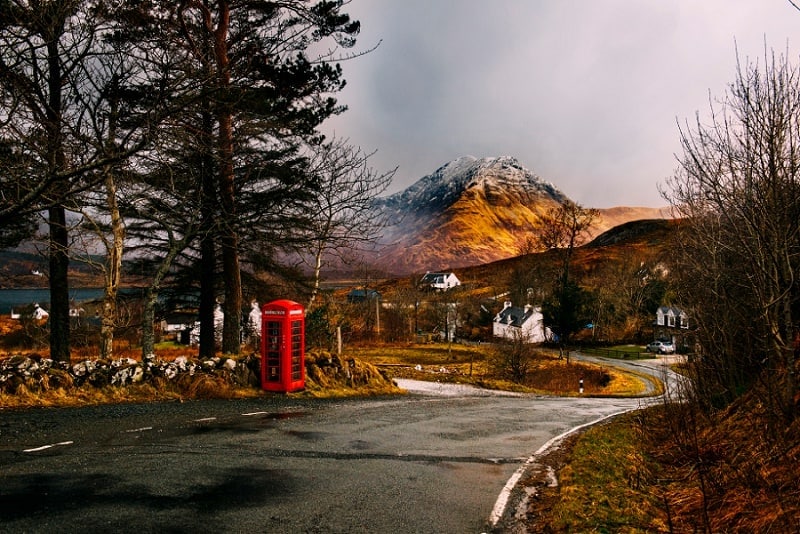
The most iconic – Isle of Skye
Widely known for its beautiful landscapes mainly linked to fairies, the Isle of Skye is a mysterious island that you can reach by car via a little bridge from mainland. Once you set foot on the isle, it’s hard not to get lost in its little winding roads leading to beautiful peaks and secluded beaches. It is all lit by out-of-this-world sunlight.
For a dose of remote – Ardnamurchan peninsula
For some places, what matters is not the destination, but the journey to get there. This is true for the Ardnamurchan Peninsula. The road to the peninsula is long, beautiful and full of amazing spots that you can definitely enjoy from the road. Lakes, mountains and forests are waiting for you. At the end of the road is an amazing lighthouse with a 180° view of the ocean. It is the perfect spot for your elopement in Scotland.
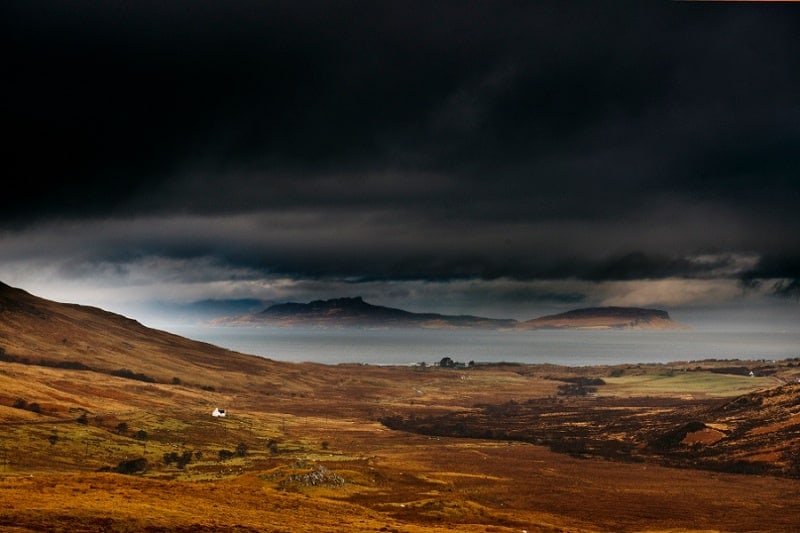
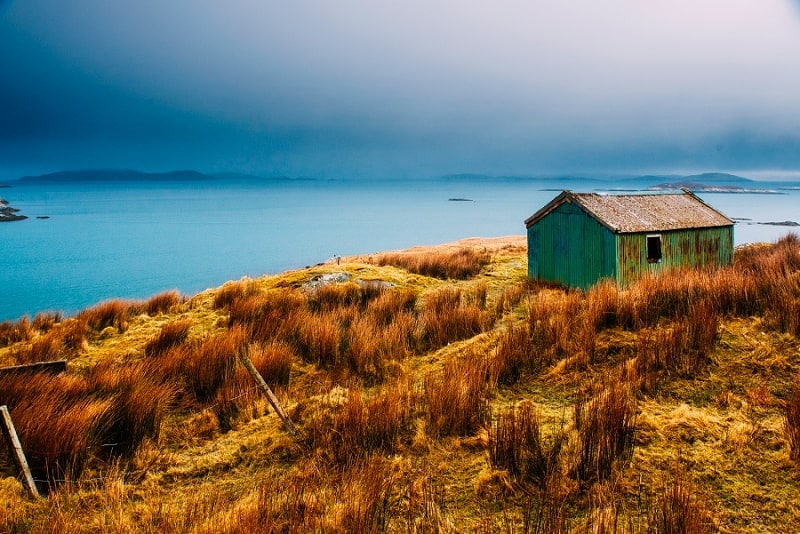
For incredible colors – Isle of Harris and Lewis
Part of the Hebrides, the Isle of Harris and Lewis is a beautiful place for your wedding ceremony in Scotland. The Isle of Harris is full of scattered fishing houses with beautiful views of the ocean. You can drive around the whole island from south to north and enjoy secluded artsy cafés, ancient churches, amazingly beautiful beaches and a trip back in time with some thatched houses.
For the mountains – The Loch Lomond Area
This might be the most popular tourist location in Scotland. However,there are many secluded, secret places to visit that will allow you to avoid the crowds (which are pretty much always non-existent, especially if you’re not visiting in July or August). Try to visit the Loch Arklet for a very special treat!
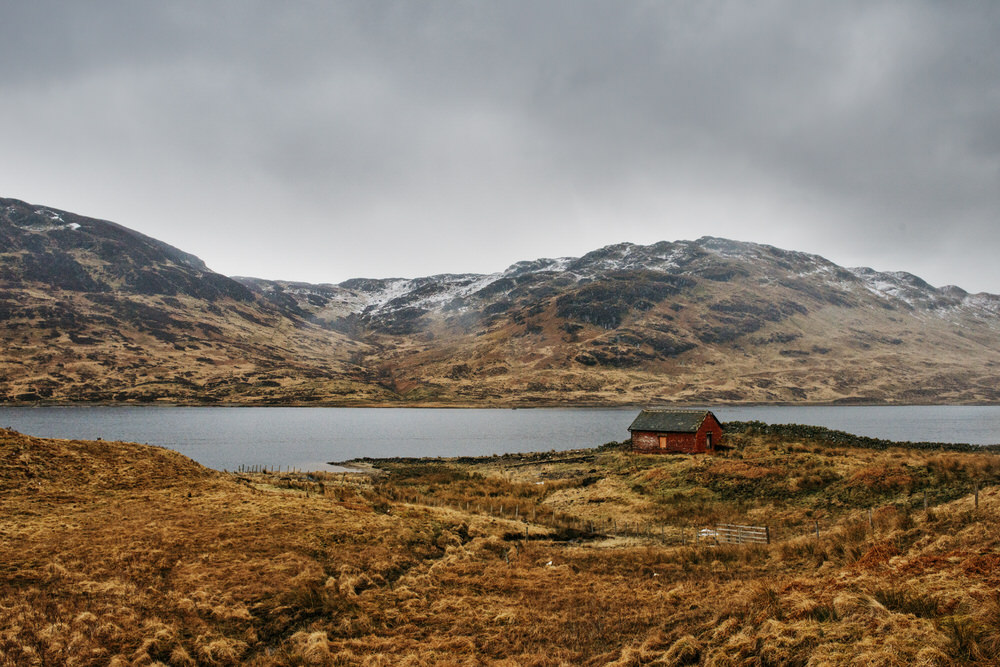
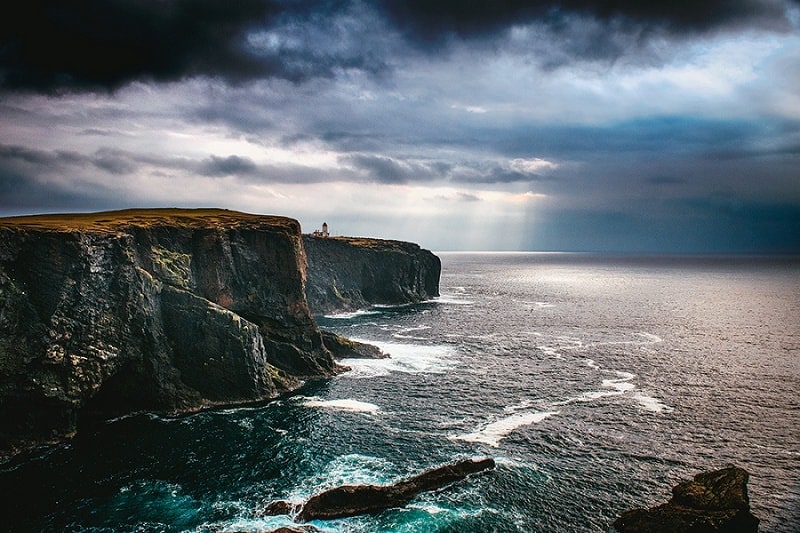
Totally off the beaten path – the Shetlands
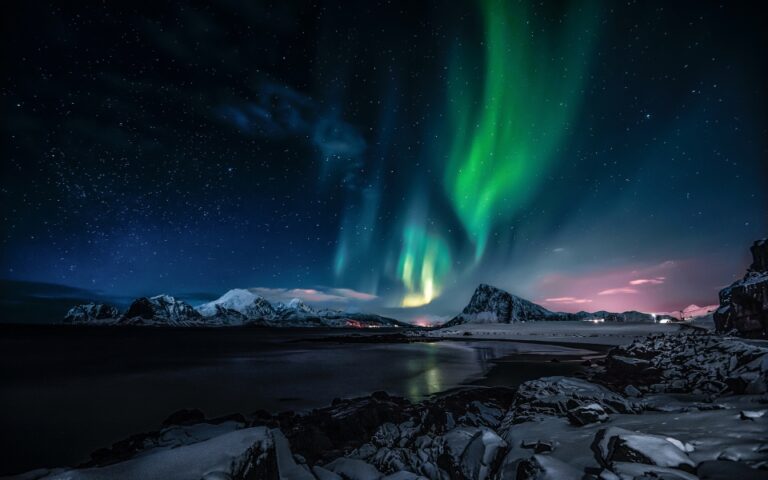
It is hard to go to the Shetlands, if you only have a few days to visit Scotland. This is because the boat to get there takes half a day to reach it. However, the Shetland Islands might be my favorite place on earth. They are is a windy, barren landscape that is filled with amazing wildlife and dramatic, beautiful scenery. You will surely find peace there. It might even be possible to exchange your vows under the northern lights.
Did you know?
Scotland is a treasure trove of wonders, and there’s so much more to discover beyond the well-known attractions like Edinburgh or the Highlands. When you decide to entrust your elopement to me, I’ll craft a personalized list of 4 to 5 extraordinary off-the-beaten-path locations that match your unique style. Let’s embark on an adventure together, exploring the hidden gems of Scotland, far from the usual tourist spots.
When to plan your Scotland elopement
Scotland is a cold area of the world. However, thanks to its oceanic climate, it almost never snows on the coast. The Highlands and the Glencoe region are the coldest areas, where you can ski in the winter.
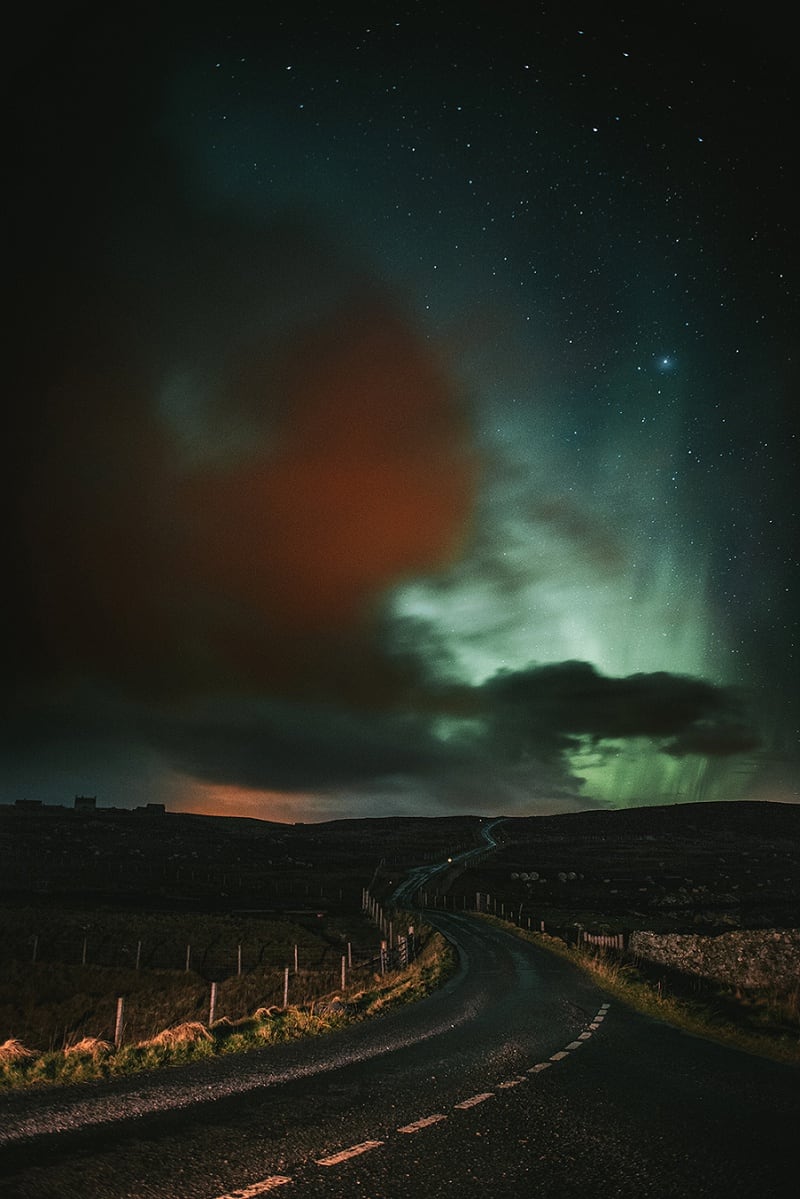
For the northern lights – winter
It can get quite cold in Scotland during winter. The Highlands have some great ski resorts that you can enjoy during the winter after your elopement, if you wish. Winter is also the calmest, most peaceful season in Scotland. If you don’t like hordes of tourists, it might be the best season for your Scotland elopement.
The best options – spring
Spring also is a very nice time for a small wedding in Scotland. Daffodils are blooming everywhere, and nature is emerging from its hibernating state. The weather gets milder (although it is still pretty cold). You can enjoy hiking in most parts of Scotland, even on the highest peaks. In May, you can elope anywhere in Scotland, and even hike on top of a mountain to exchange your vows!
For the best weather – summer
Like everywhere else, summer is THE peak tourist season. This is why I don’t recommend visiting Scotland during the months of July and August. The weather will be nice (even if it rains almost every day in Scotland, regardless of the season). However, it won’t worth enduring the hordes of tourists in the form of slow campervans on the narrow roads, tourist vans coming from Edinburgh and Glasgow for a day-trip, packed hotels and restaurants, and, in general, people everywhere.
If you like forests – fall
Fall is the best season for surfing, if you would like to catch the waves after your Scotland elopement. If it also a beautiful, dark season when the trees are absolutely gorgeous and make the best background for your pictures. However, Scotland has mainly pine trees that don’t shed in autumn. It is a very nice, mild and less crowded season for your special day.
Did you know?
One of the coolest and most enchanting experiences Scotland has to offer is the occasional glimpse of the Northern Lights, also known as the Aurora Borealis. Yes, you read that right—this magical natural phenomenon can grace the Scottish skies with its celestial dance of colors. Imagine saying your vows under a canvas of shimmering greens, purples, and blues as the Northern Lights paint a breathtaking backdrop to your Scotland elopement. It’s a celestial spectacle that can make your special day even more extraordinary and truly unforgettable.
Unique Things to Do When You Elope in Scotland
Eloping gives you the incredible opportunity to make your wedding day whatever you want it to be!
Whatever adventure you’re craving, planning an elopement instead of a traditional wedding makes it possible.
So during your Scotland elopement, plan some adventures and experiences that you’ll never forget! Here are some ideas for unique things to do in Scotland.
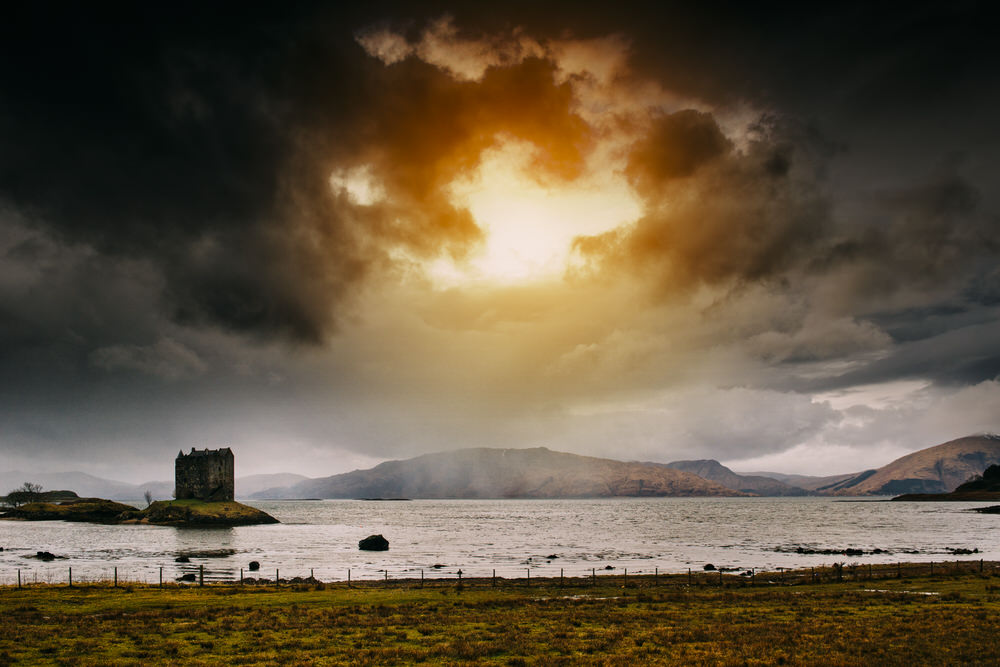
Explore a Castle
Scotland has lots of castles, and lots of ruins that you can explore. Some of them you can even stay in! Edinburgh Castle sits on a dormant volcano overlooking the capital of Scotland, and some other amazing fortresses to visit include Balmoral Castle, Dunnottar Castle, and other historic sites.
Look for the Loch Ness Monster
Loch Ness is a big freshwater lake in the Scottish Highlands, best known for the legend of the Loch Ness Monster! You can keep an eye out as you kayak, take a boat tour, or just relax on the beach of this famous lake. The surrounding area also has lots of cute countryside villages to explore, and nearby hikes where you can see waterfalls and wildlife!
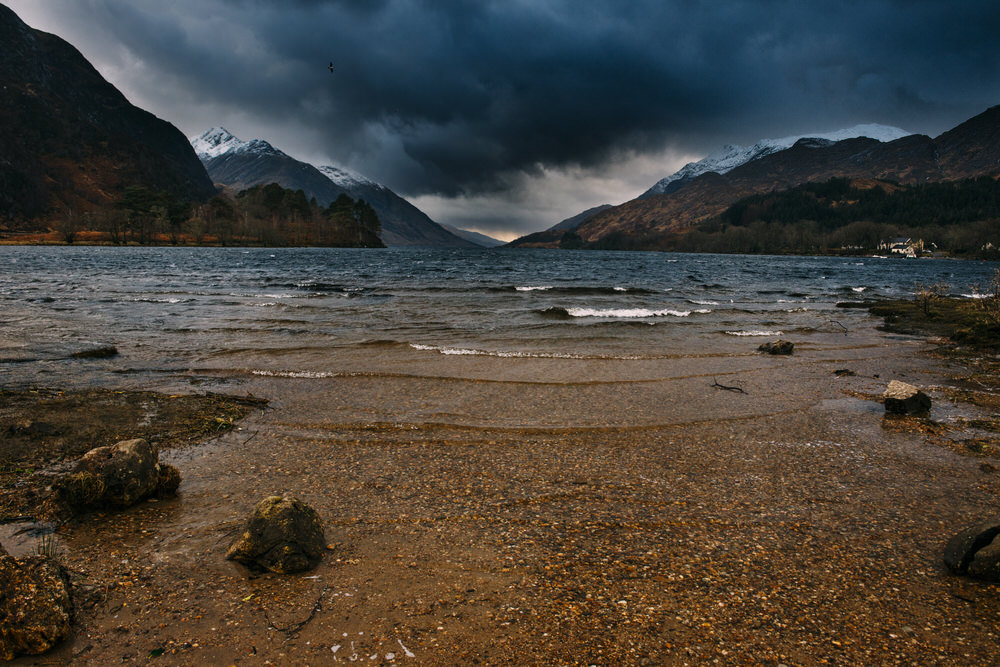
Enjoy the Mountains
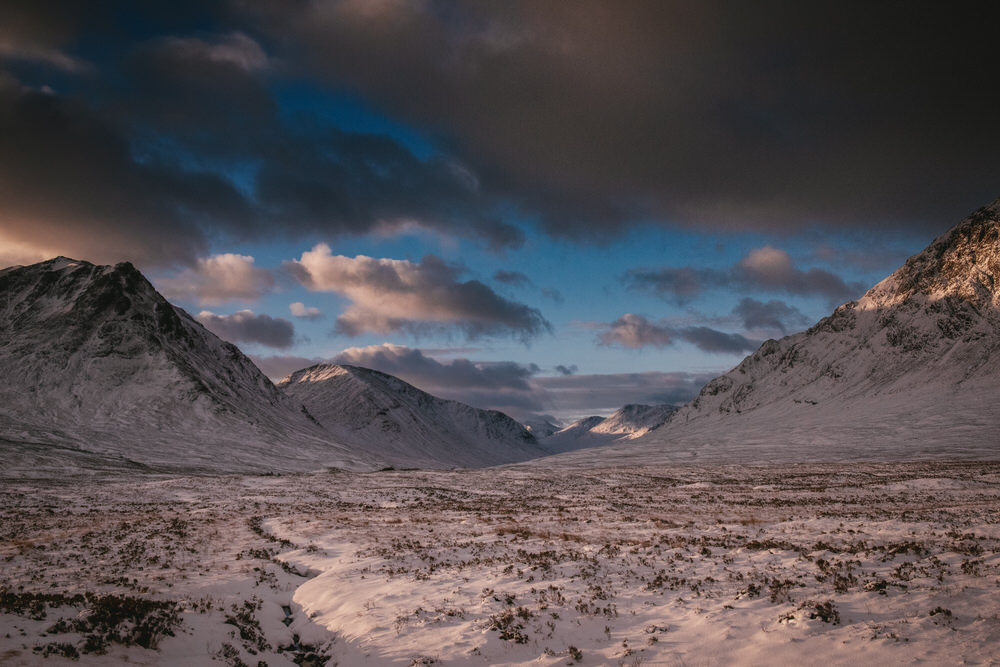
Scotland has some incredible scenery, including stunning mountain peaks that tower high over the country. If you love the outdoors, hiking is a great way to experience your elopement day, but you can also mountain bike on the trails, or in the winter, hit the slopes and go skiing!
What To Wear When Eloping In Scotland
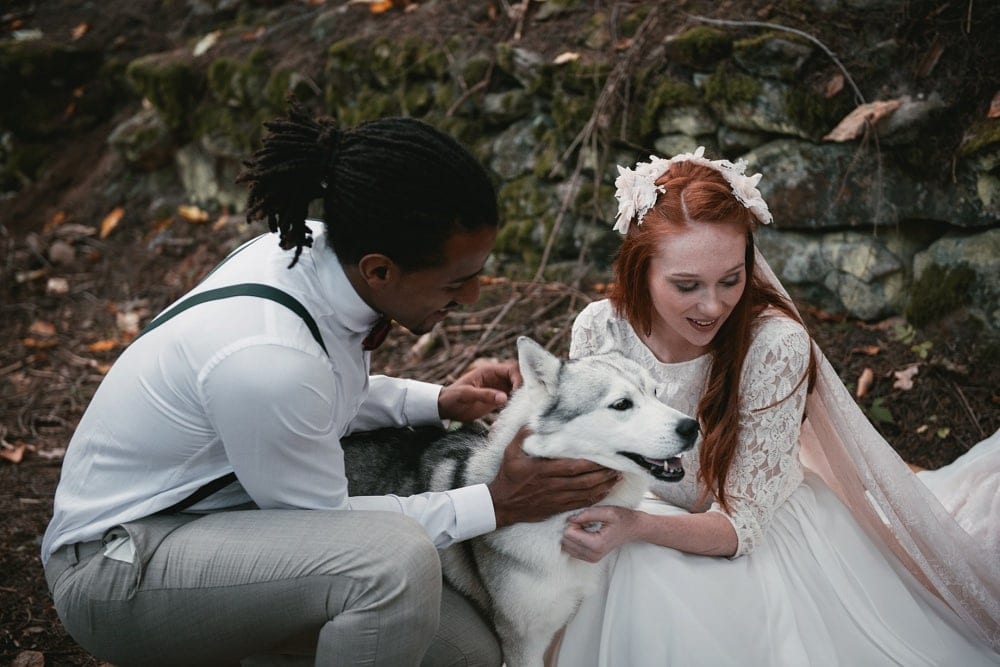
An elopement doesn’t mean that you must have a quick wedding and get it over with in an hour or so. It can also be an aesthetic, beautiful, thoughtful day you will put a lot of love into. You will have a lot of fun designing everything, from the beginning to the end. The beginning might be: what should you wear for your elopement day?
The Dress
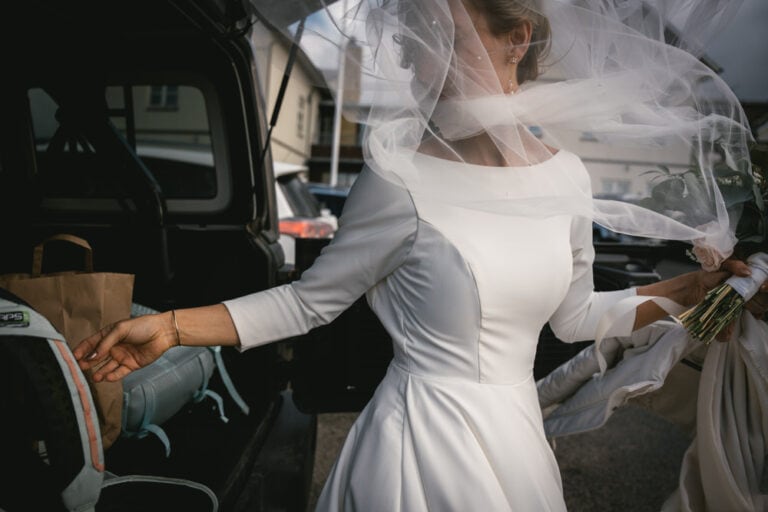
Since Scotland is VERY windy, a flowing dress that will move with the wind is always a great option. Talk with your dress designer about chiffon, crepe, silk or batiste, since they are all lightweight, flowing and amazingly beautiful fabrics for your elopement wedding dress.
You should try to avoid huge, princess-like dresses. They will slow you down on your adventure and add a lot of weight on the day. Dresses that are easy to put on are always best for a Scotland elopement, since you won’t want to be naked in the wild for too long, if you decide to put your wedding dress on the site where your vows are exchanged.
The Shoes
I always love vintage leather hiking boots, since they add a touch of timelessness to your pictures. They are also very comfortable for hiking. Normal hiking boots are also great. In any case, avoid shoes you won’t be comfortable walking long distances with, such as high heels, sandals, etc.
The same is true for men. Classic wedding shoes might be too uncomfortable to walk long distances in. Don’t forget that Scotland is very humid and plan accordingly.
The Suit
You have many different options when it comes to suits. You can even go the Scottish way and choose a tartan for getting married in the Highlands. However, if you want something more classical, you can find many inspirations online on different wedding blogs. The rule is: be comfortable. Like the dress, you will walk a lot in your suit and will probably jump on rocks, avoid mud, do silly things, etc. You HAVE to feel awesome in it, but choose something that will also be comfortable for a whole day of adventure.
Keeping Warm
Scotland can be cold in any season. The weather changes rapidly.You might have a beautiful sunny day, that is followed by six days of non-stop rain. Plan accordingly when you elope in Scotland and buy some warm clothes. A fluffy, big plaid is always beautiful in pictures. if you a jacket, pick something that won’t stand out too much on camera (avoid bright colors for example) and that won’t cover you too much (huge fluffy jackets might not be the most flattering for your elopement).
You should also pack some hand and feet warmers. They are lightweight, practical and you never know when you’ll need them!
Typical food and dishes from Scotland
You might want to integrate into your elopement day

Internationally renowned – Scottish Salmon
Scotland is renowned for its high-quality salmon, thanks to its pristine waters and strong salmon-farming industry. Try smoked salmon, often served with cream cheese on a bagel or as a delightful appetizer. The tender, smoky taste of Scottish salmon is a treat for seafood lovers.
For the sweet tooth – Shortbread
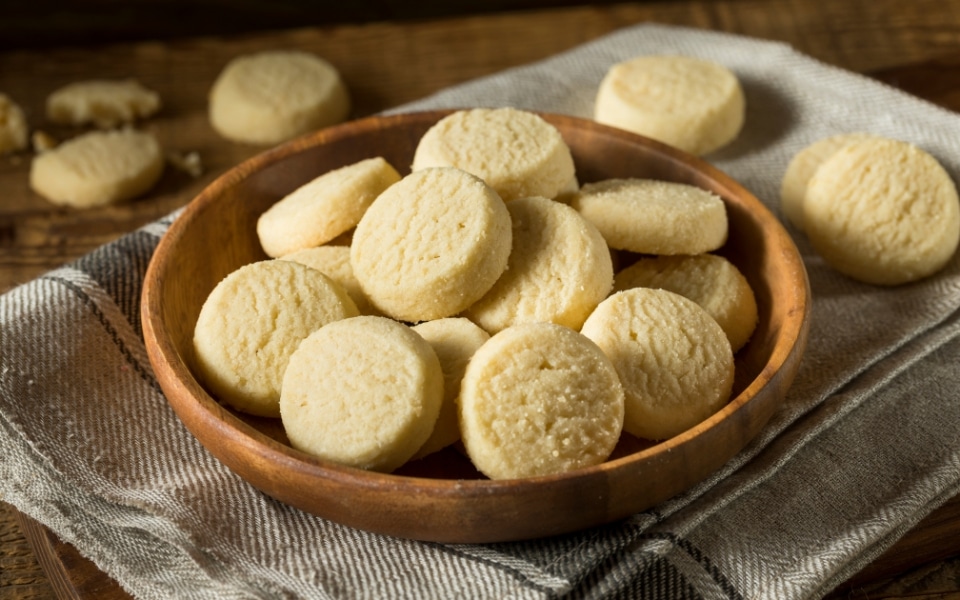
For those with a sweet tooth, Scottish shortbread is a must-try. This buttery and crumbly biscuit has a rich, melt-in-your-mouth texture that’s simply irresistible. It’s a beloved Scottish classic and makes for a perfect souvenir to bring back home.

For something very local – Cranachan
Cranachan is a traditional Scottish dessert that’s as delicious as it is visually appealing. It typically consists of layers of whipped cream, raspberries, honey, and toasted oatmeal, all combined to create a delightful, creamy, and slightly crunchy dessert. It perfectly balances the sweetness of honey with the tartness of raspberries, making it a delightful way to end your Scottish meal on a sweet note.
Scotland elopement packages and pricing

All my packages include:
- From 1-2 locations to a full 7 days honeymoon and elopement adventure photography coverage
- Custom planning by a travel agent and elopement planner with:
- A list of 3 to 4 location recommendations based on your vision
- Complimentary transportation for your day(s)
- Concierge service for vendors, accommodation, restaurants, you name it! And the option of having it all included in your package
- Help with anything related to accessibility, permits and rules
- A printed “how to elope” guide with everything you need to know
- A custom timeline for your day(s)
- The possibility to get legally married by your photographer (we’re all US ministers!)
- Online gallery you can share with the world
- My travels feels to anywhere in Scotland are already included!
- Starting at $10.750
Last details before you leave for Scotland
Ready to leave and explore Caledonia? Here are some of my last bits of knowledge.
Prepare your packing list in advance
Pack versatile clothing suitable for varying weather conditions in Scotland, including waterproof layers, sturdy footwear, and warm accessories, to ensure comfort and adaptability during your travels.
Tips for renting a car
When renting a car in Scotland, consider booking in advance to secure the best rates and availability, especially during peak travel seasons. Opt for a vehicle with adequate space and reliability to navigate Scotland’s diverse terrain, including winding coastal roads and rugged highlands. Additionally, familiarize yourself with local driving regulations and road signs, as well as the requirement for driving on the left side of the road. Finally, ensure you have the necessary documentation, such as a valid driver’s license and insurance, before embarking on your Scottish road trip adventure. P.S.: if you don’t know how to drive a stick, make sure you hire an automatic car as it’s not the norm in Europe!
How to pay in Scotland
In Scotland, you can pay using various methods, including cash, credit/debit cards, and mobile payment options like Apple Pay and Google Pay. Major credit cards such as Visa and Mastercard are widely accepted, but it’s advisable to carry some cash, especially for smaller purchases or in rural areas where card acceptance may be limited. Additionally, notify your bank of your travel plans to prevent any issues with card transactions abroad. The currency is the British Pound (GBP).
The language in Scotland
In Scotland, English is the predominant language, but regional accents and dialects add diversity to communication. Scots, an indigenous language with unique vocabulary and grammar, is also spoken informally in certain areas. Additionally, Scottish Gaelic is preserved in some communities, particularly in the Highlands and Islands.
Formalities – do we need a visa to visit Scotland?
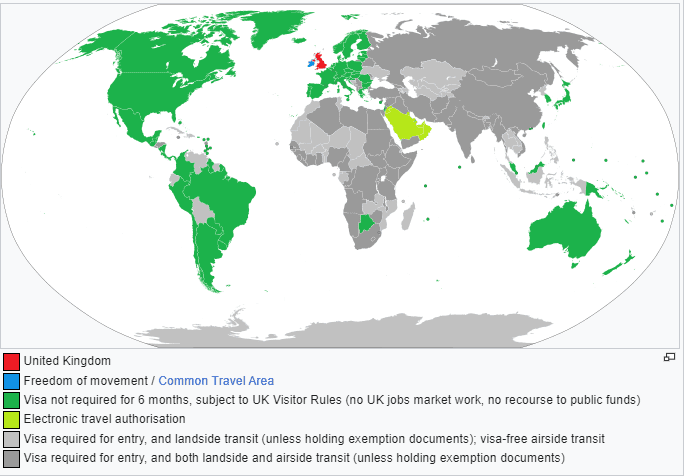
Here is a map of the countries needing a visa to enter Scotland.
A small conclusion: Why Elope in Scotland?

Amazing nature
If there is something that should truly move you when you visit Scotland, it is its natural beauty. The diversity is absolutely amazing, and the panoramas are gorgeous, especially when you go north of the city of Stirling. You may have heard of the Highlands, the Loch Ness Monster, or the Isle of Skye. However, Scotland is a very exciting place to visit. There are many things to see, aside from the well-known attractions. There are deep lakes, mysterious forests, tiny houses lost in the middle of amazing landscapes and dramatic cliffs. There is much to see and many places to celebrate your Scottish elopement!
Great history
When you’re not walking in beautiful, painting-like landscapes, you can discover the second reason why Scotland is famous throughout the world: its heritage. Scotland is has many ancient castles, some of which you can now visit. They are filled with folklore, tales and legends. The Lords of Scotland truly have an amazing history. You can discover it, while walking in the beautiful corridors of a 12th century castle. The northern part of Scotland also has a very rooted Nordic culture. If you’d like to know more about Vikings, visit the Shetland Islands and be a part of the Up Helly Aa festival in Lerwick, which takes place every January. It is amazing.
Landscape diversity
It is a little bit like the “nature” part of this chapter, but it is worth mentioning. The landscapes in Scotland are jaw-dropping. Anywhere you go will be a treat for your eyes. In the central part of Scotland, you will find beautiful, snowy mountains perfect for hikes and exchanging your vows at sunset with a view. This area also has lakes (the Loch Ness is not the most beautiful one). The western part is flatter, with beautiful little islands scattered off the coast. The Hebrides are worthwhile visiting. You can enjoy them after a short boat ride from the mainland. The eastern part has many castles and forests. Be sure to check them out. The northern part of Scotland is my favorite. It is flatter than the center and filled with dramatic cliffs, beautiful sandy beaches and sheep everywhere. You can also go to the northernmost post office in the UK, by visiting the Shetland Islands by boat. They truly are wonderful.
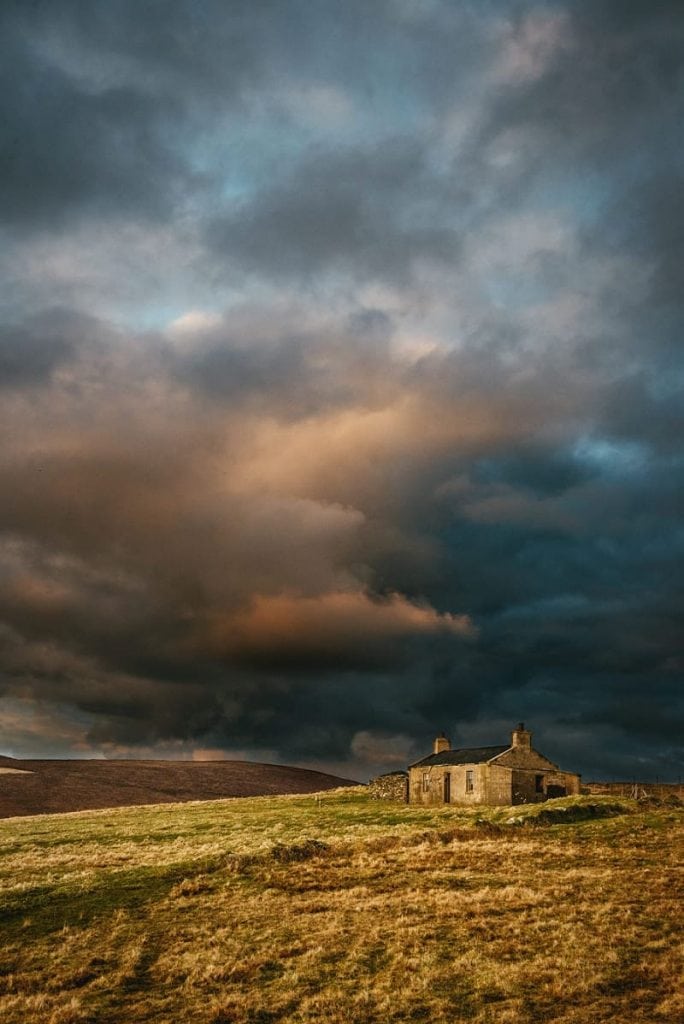
Let’s chat!
Are you eager to start planning your elopement in Scotland? I’m here to help you envision, plan and immortalize this beautiful adventure! Contact me now for a free consultation!
Welcome to the Adventure of a Lifetime
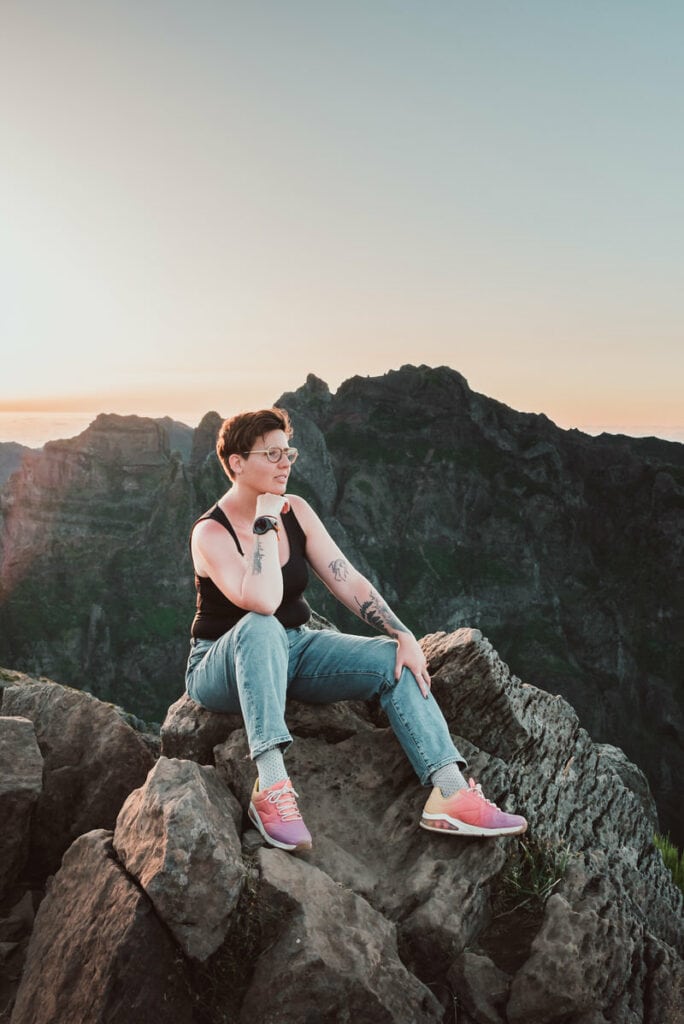
Hey there, I’m Amber!
Hey there, my name is Amber! If you’re ready for a Scotland elopement, I’m ready to help you plan! As an experienced Scotland elopement photographer, I’ll be by your side as your guide and travel planner, helping you find the perfect place to exchange vows and tie the knot. Together, we’ll discover what an intimate, perfect wedding day means for you, and I’ll guide you through every step of the process!
I’ll get to know you and create your perfect adventure, and be there to document it so that you can relive every incredible moment for years to come! Contact me to learn more about Scotland elopement packages, and let’s start dreaming up your day.