The ultimate guide to plan the perfect medieval wedding or elopement
The ultimate guide to plan the perfect medieval wedding or elopement
If stories of dragons, knights, and magic inspire you, and you want to feel like true royalty on your wedding day, consider a medieval wedding theme! Whether it’s an elopement or a larger celebration, the historic touch and romantic aspect of the medieval period can be a super fun addition. Keep reading this guide to learn how to plan your own medieval wedding or elopement!
1) A Medieval Wedding Venue
One of the first things you’ll do to plan your medieval wedding or elopement is decide where you’ll tie the knot! Here are a few options for places that will give your day the perfect Middle Ages vibe.
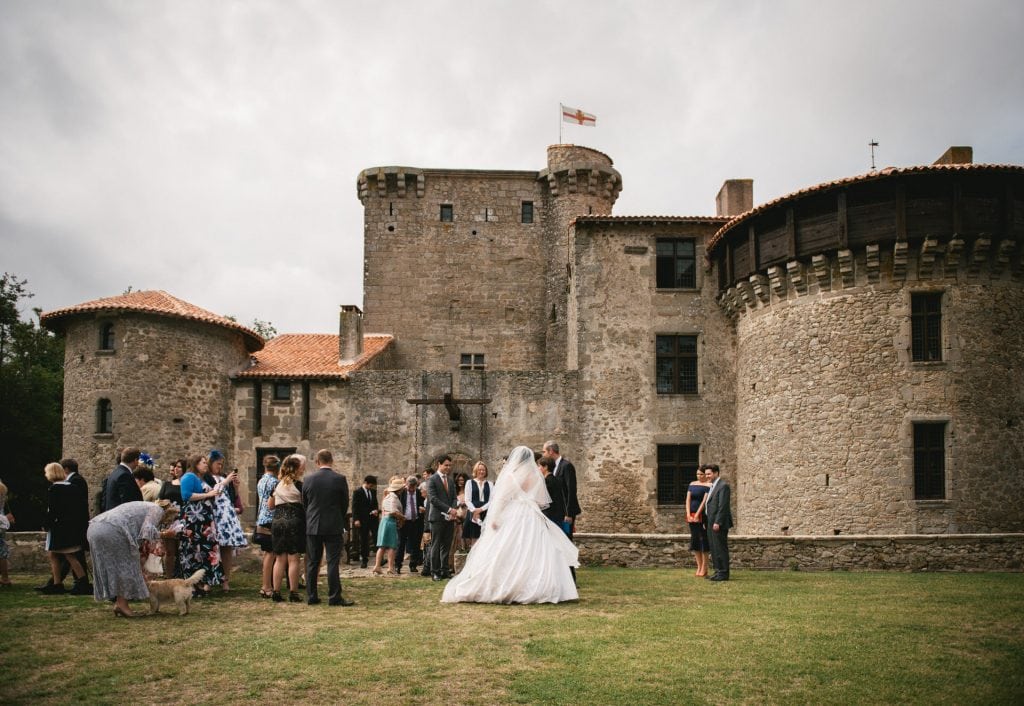
A) A Castle
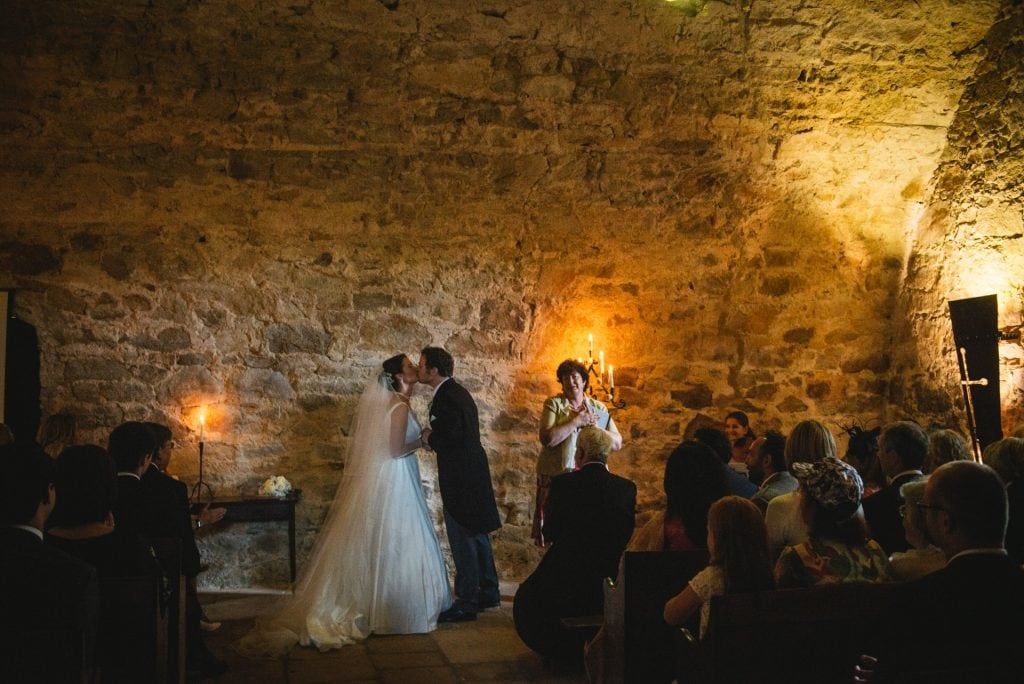
Nothing says “Middle Ages” like a castle! This is probably the most traditional Medieval wedding venue, and if you want something regal, there are several real castles where you can get married. Many of them are in Europe, like the Belvoir Castle and the Chateau Effiat, but you can find romantic castles and rich history all over the world.
There are also plenty of options for castle themed wedding venues, so you don’t have to travel to a historic castle in Europe! These venues will be perfectly designed for weddings, with manicured outdoor gardens and carefully designed interiors. Gothic or Tudor style architecture can often be found in churches too, resembling the look of a medieval castle.
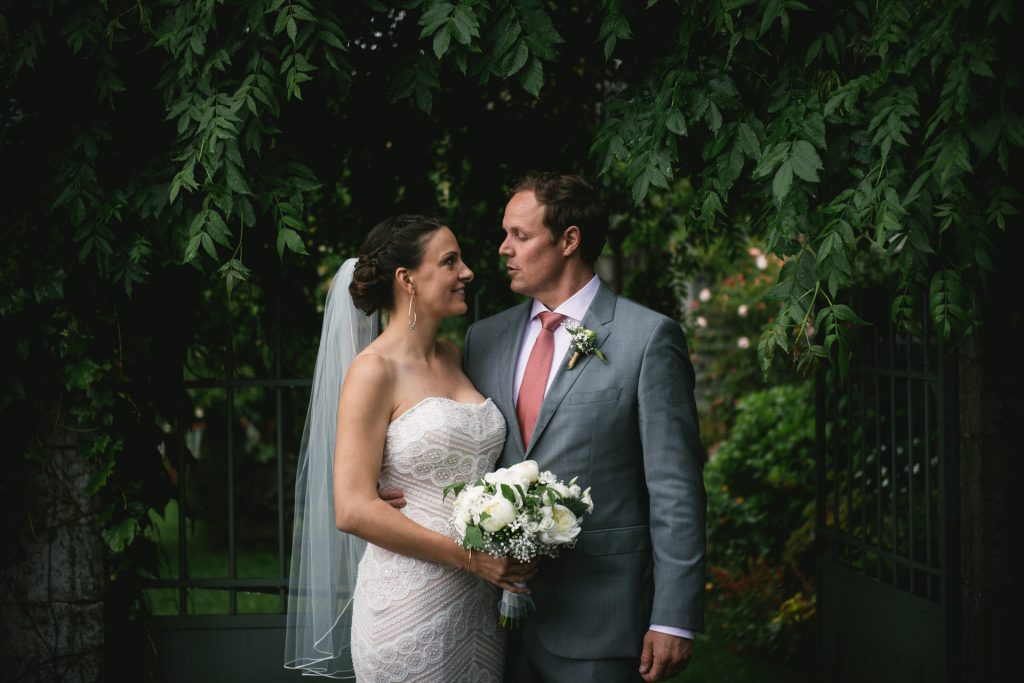
B) A Garden
For a medieval elopement or a smaller wedding ceremony, an outdoor location can fit your theme just as well as a castle! If you want to get married outdoors, look for parks and gardens. A scenic location with blooming roses or other flowers can look regal, without being as big or dramatic as a castle.
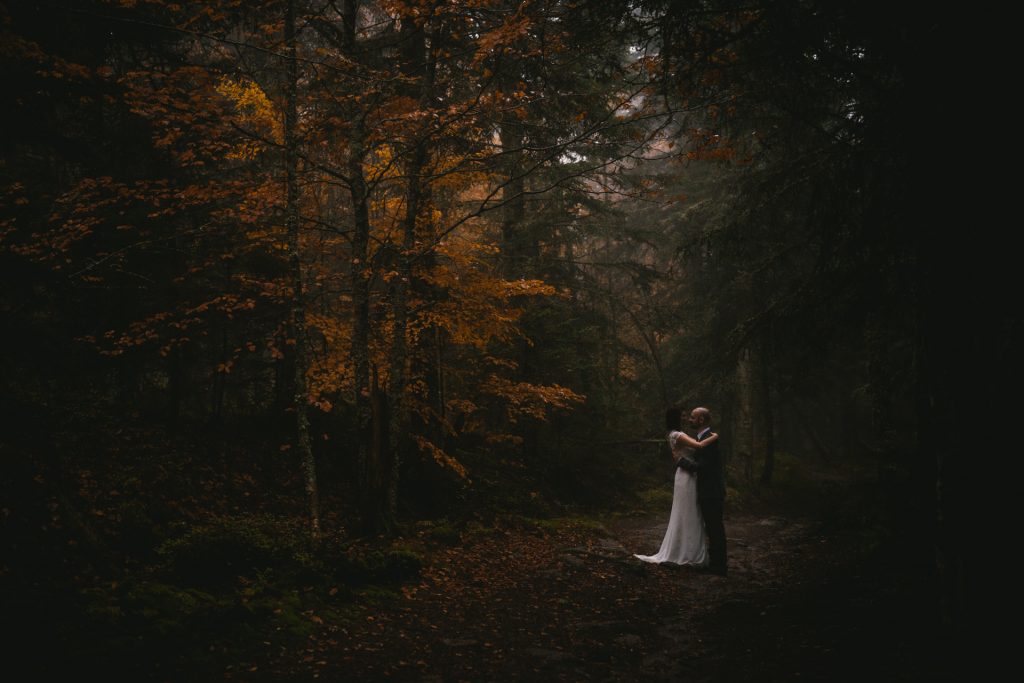
C) A Forest
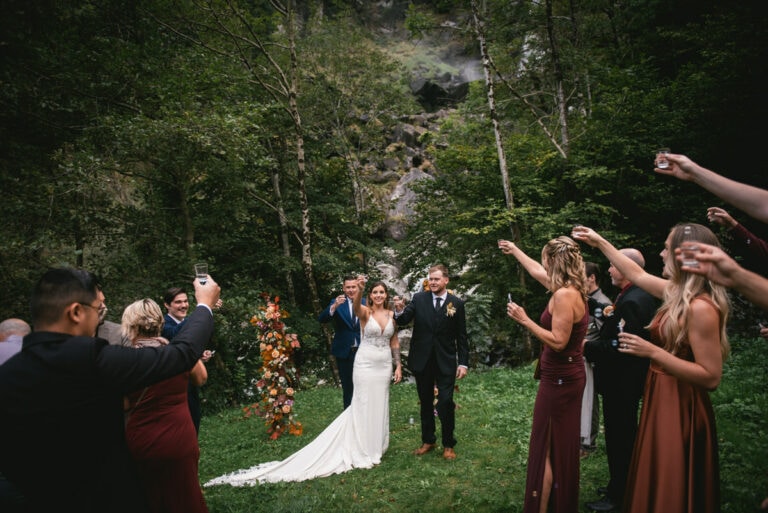
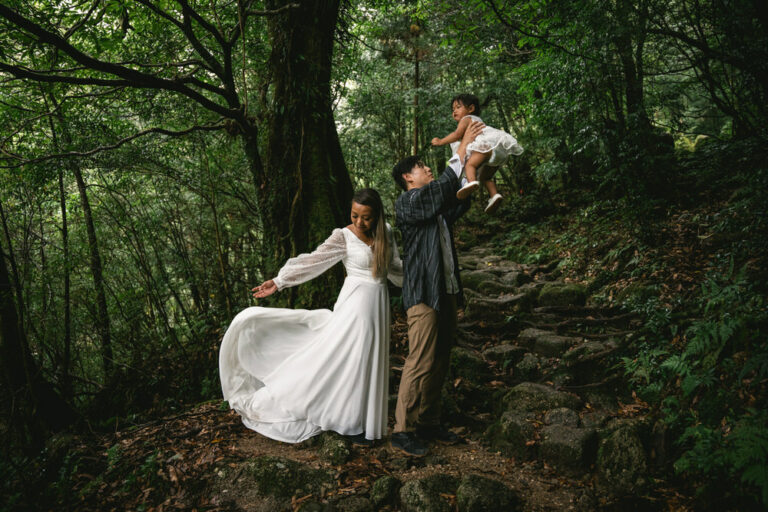
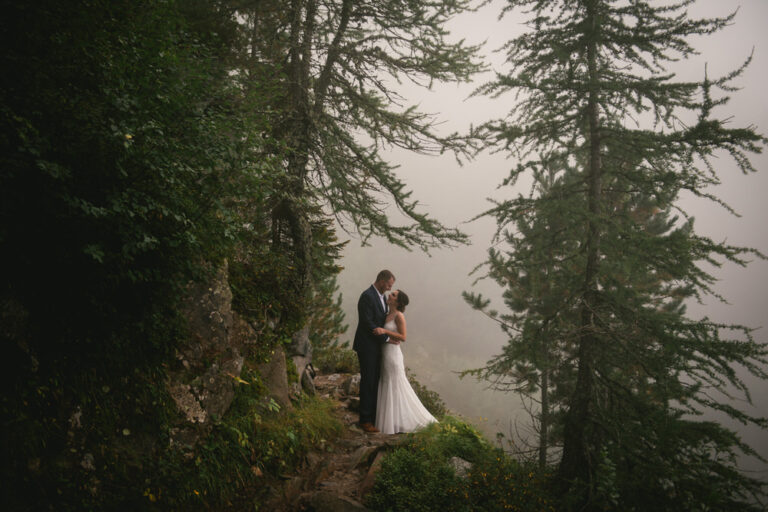
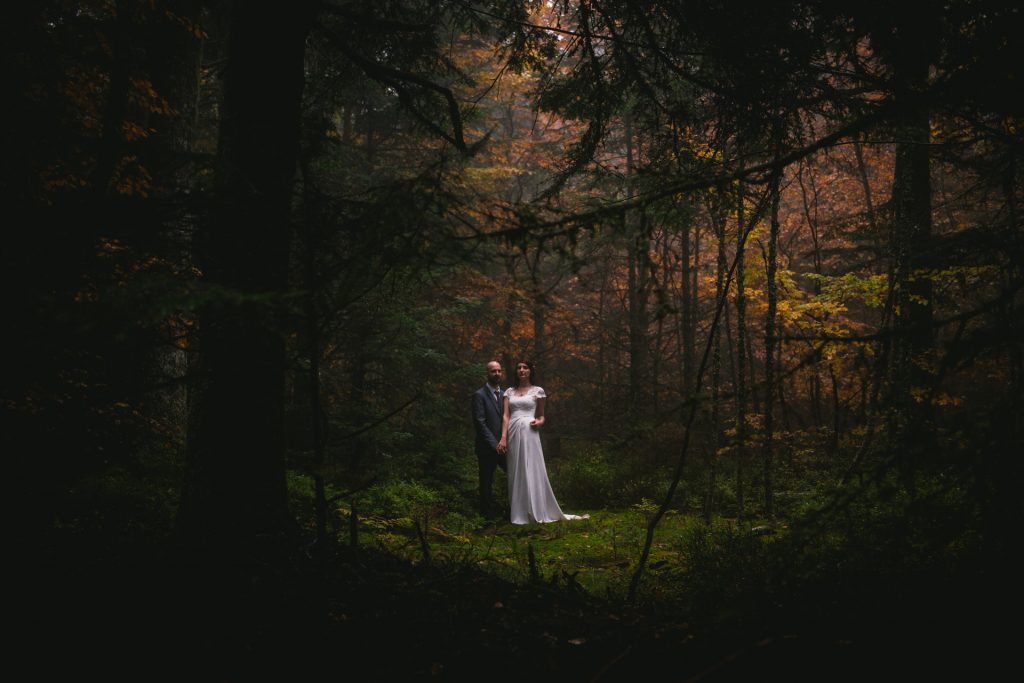
Another option for your medieval wedding theme is somewhere with trees and greenery – this can be a wedding venue, or for an elopement, a spot in the forest! This is a different take on the Middle Ages, with a more “fairytale” look rather than an upscale, royal vibe. Willow trees, or anything with hanging branches always looks magical, and you can decorate to customize the look!
2) Medieval Wedding Dress
The dress is the perfect opportunity to showcase your medieval wedding theme. Traditionally, in the Middle Ages, there actually wasn’t a set color for the wedding dress (the way that white is usually the go to today) – so you can opt for dark, regal colors for your medieval wedding dress. Blue was traditionally incorporated into the wedding attire of both partners, whether it was the dress, a hair ribbon, or an accessory.
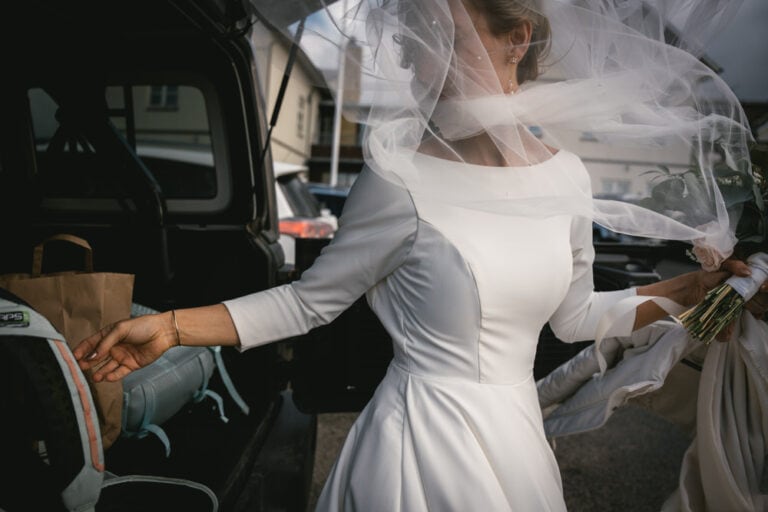
For a Medieval wedding dress, you could go with a princess gown, complete with a billowing skirt or a long train, or keep it simple with an empire line dress that says “regal,” without too many details or embellishments.
Corsets, bell sleeves, and gold details are all aspects that make a dress look like it came straight out of the Middle Ages!
3) Medieval Wedding Suit
It is tradition to include some blue in the outfit of the soon to be wed couple, so you can opt for a navy suit, or a pop of color like a tie or pocket square! Long coat tails, embroidered details, and gold accents are all perfect for medieval wedding attire, and adding a vest can give you a regal touch as well.
4) Medieval Wedding Accessories
Your attire will also include things like jewelry and hair accessories, and these are all ways to make your medieval wedding theme come to life!
For long hair, loose waves and floral details, like leaves or a flower crown will be reminiscent of the Middle Ages, and if you’re going for a regal look, a crown or tiara can be an elegant addition.
Precious stones were significant during the medieval period, and emeralds, amethysts, sapphires, and other deep-colored stones add a beautiful sparkle to the medieval wedding or elopement.
5) Medieval Wedding Invitations
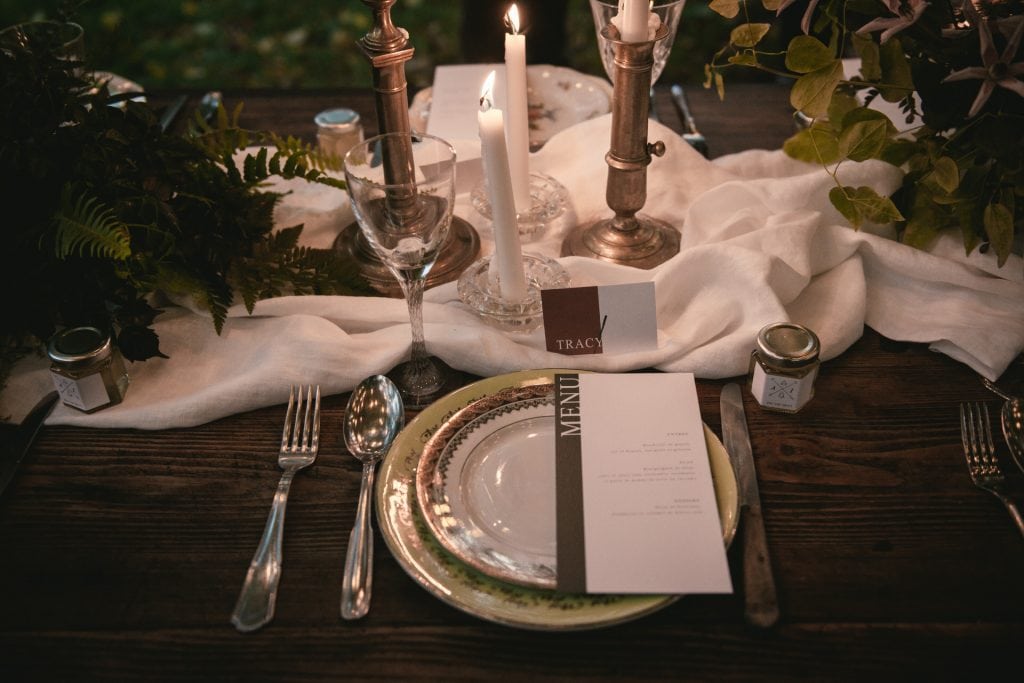
Before the wedding day, sending out your invitations will give guests a taste of your medieval wedding theme, and let them know what to expect! Using parchment paper, with calligraphy, decorated scrolls, or colorful ribbons can be a fun way to announce your event.
6) The Medieval Menu
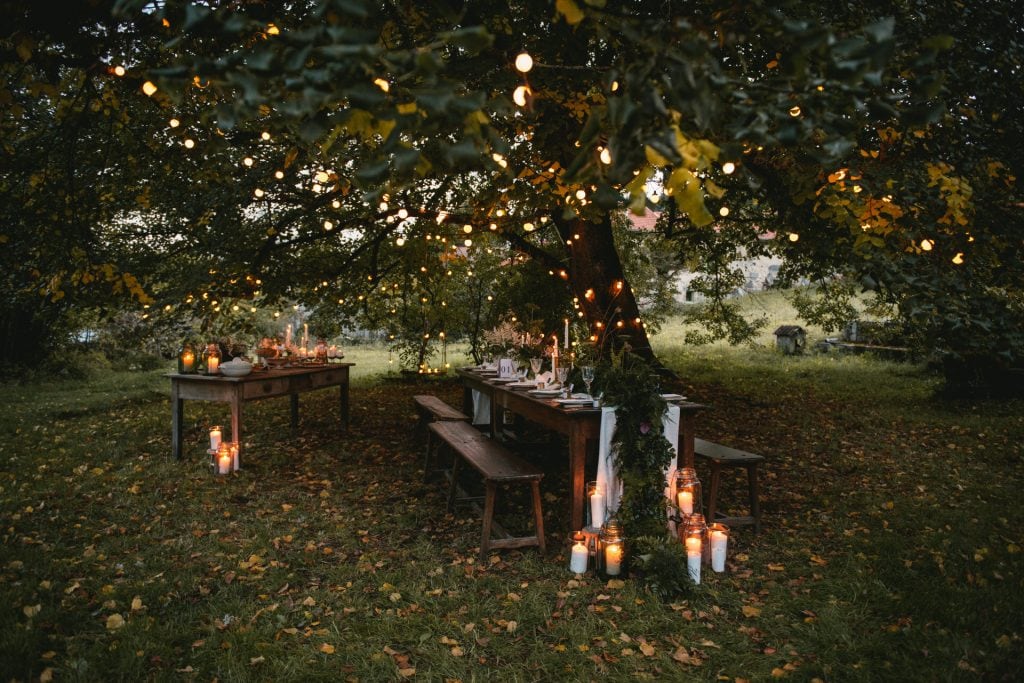
Some foods that were common for Middle Ages feasts include goose, lamb, and venison. Serving the meals at long tables with platters will make the reception feel like a traditional banquet hall! Ale, beer, and wine were all served at celebrations, and spices and cheeses were considered fancy during the Middle Ages, reserved for special occasions.
7) Medieval Wedding Cakes
The tiered wedding cakes we see at many weddings today actually started in the Middle Ages! Smaller cakes would be stacked on top of each other to create the tiers. You can keep it traditional with a simple tiered cake, or go for a more decorative medieval theme, with florals, castle shaped cakes, or unique decorations like dragons or swords!
8) Medieval Wedding Decorations
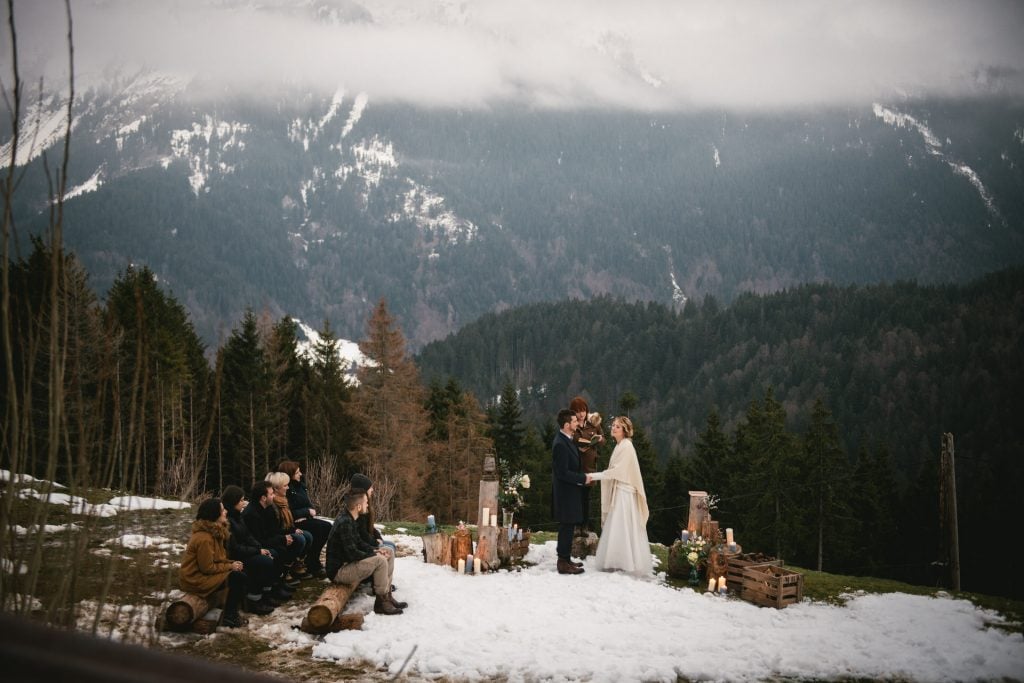
Candles are a great way to decorate your wedding or elopement space, and if your venue doesn’t allow fire or you want to stay extra safe, battery operated candles are great for ambiance! Stone walls, gold and silver accents, and leafy wreaths are all examples of decorations reminiscent of the Middle Ages.
Silk and brightly colored robes and gowns, with silver or gold thread embroidery can be worn by the wedding party or by your guests to fit your medieval wedding theme!
9) Medieval Wedding Celebrations
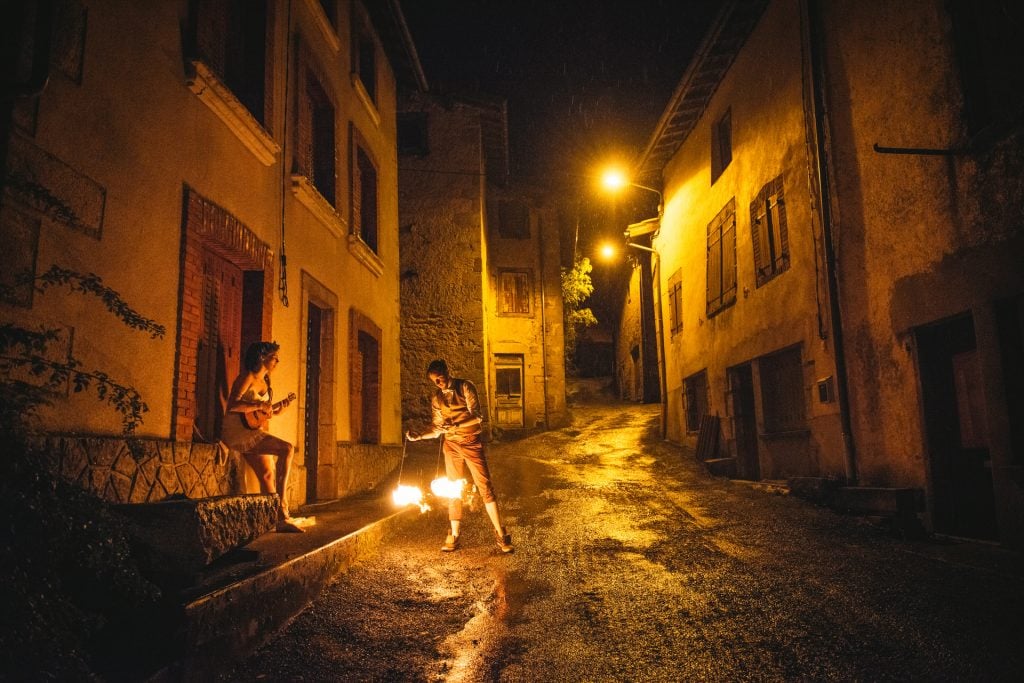
For your reception, you can take inspiration from medieval receptions! They often had jugglers, live musicians, a court jester, and other performers – so you can contact local Renaissance fairs to see if you can book a few entertainers for your reception!
Ready to Plan a Medieval Wedding or Elopement?
If you’re ready to plan your unique day, contact me! As an elopement photographer, my job is to help couples make their dream come to life, from finding the perfect location to reflect your theme, to putting together a timeline for the day. So let’s chat about your perfect wedding day!