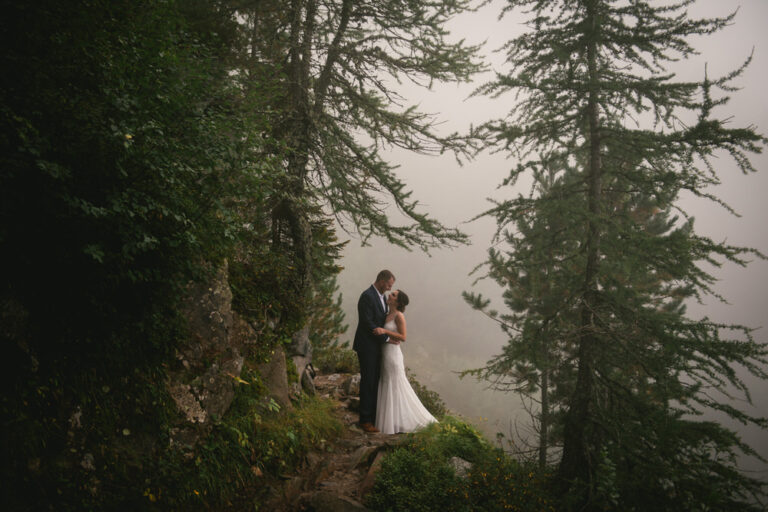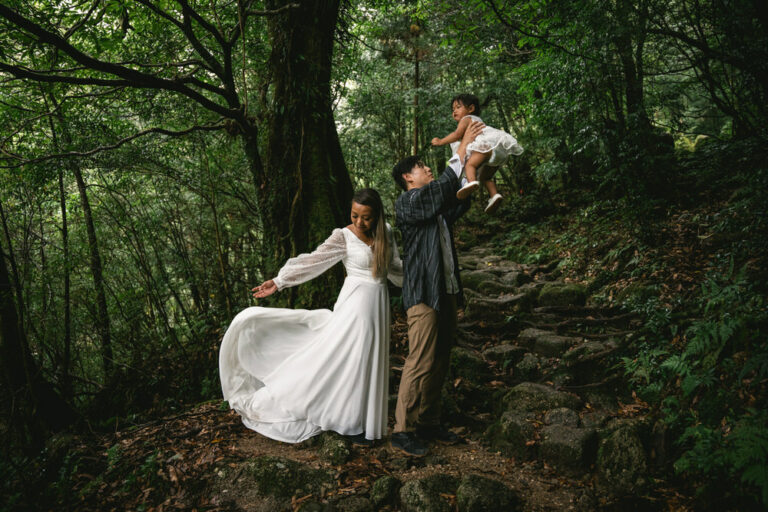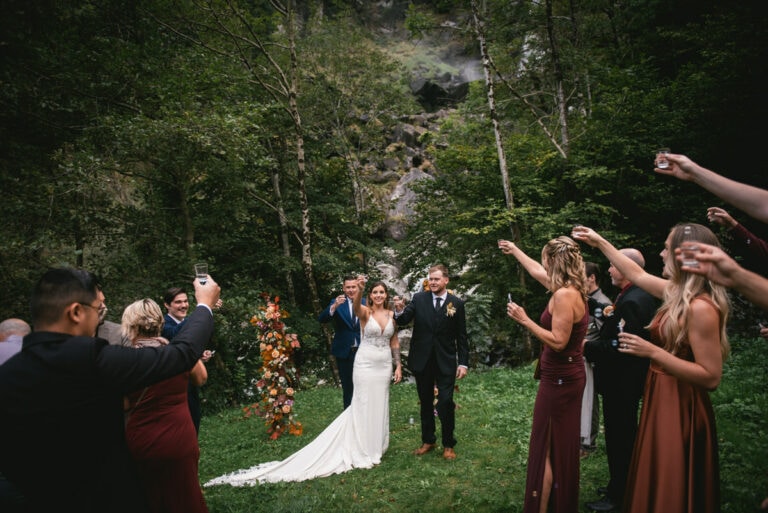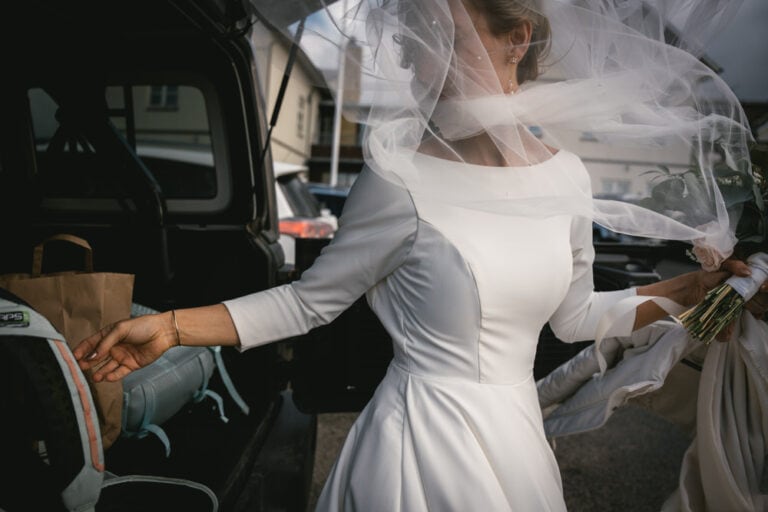

The ultimate guide to elope in Fiji
TIPS. VENUES & LOCATION IDEAS
for an adventure elopement in Fiji
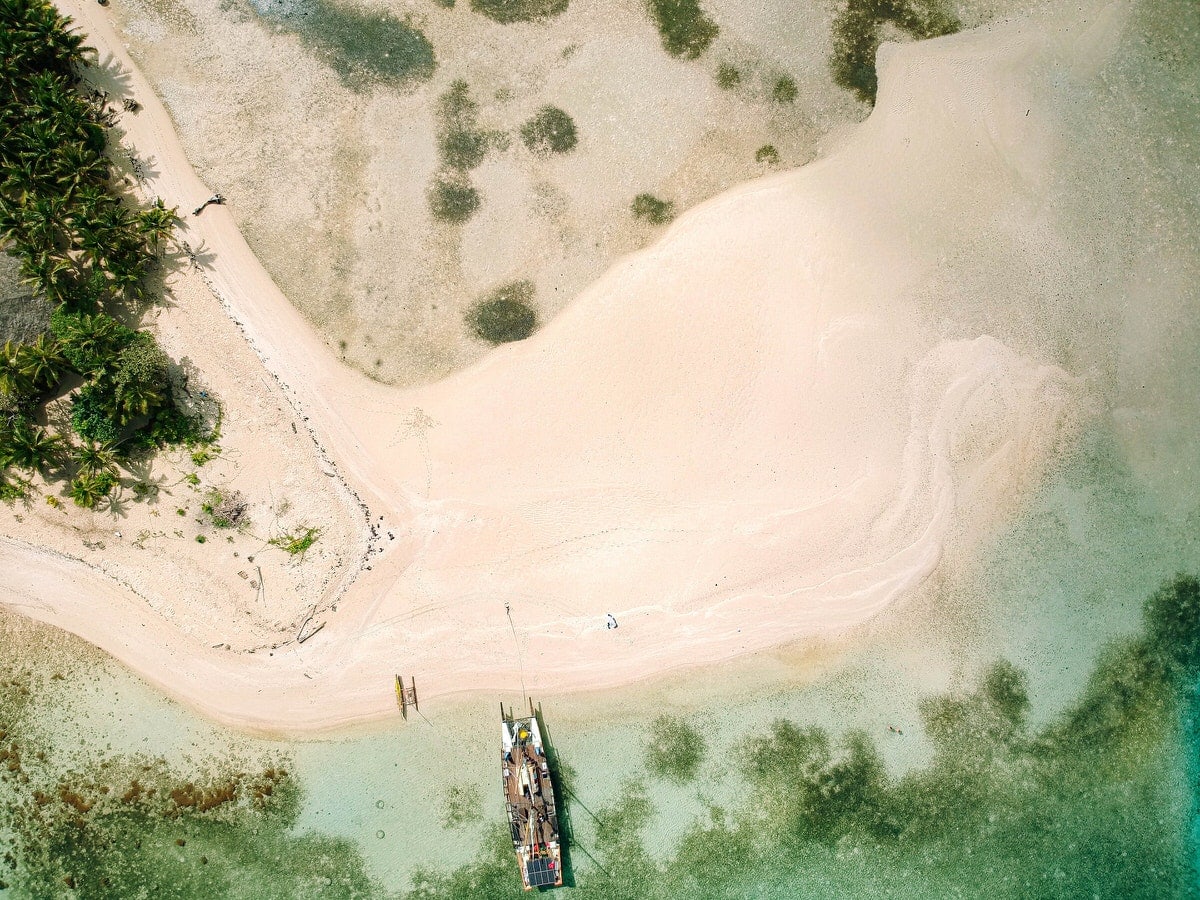
Located near Australia and New Zealand, Fiji is a collection of over 300 islands – each one featuring some of the most incredible rugged, tropical landscapes! A Fiji wedding is a dream come true for so many couples, and there’s no better place for an adventurous elopement than the palm trees, white sand beaches, volcanoes, and stunning scenery that the islands have to offer.
This guide will tell you everything you need to know to plan a Fiji wedding, and how to elope in this incredible country!
Let’s dive in…
Welcome to the Adventure of a Lifetime
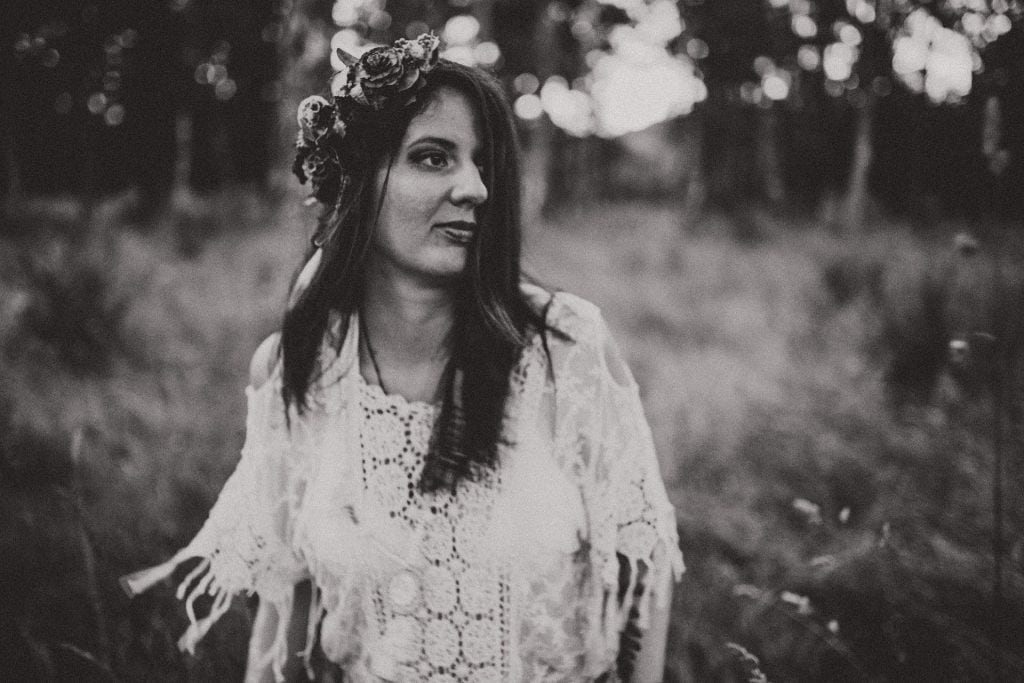
Hey there, I’m Amber! I’m your elopement photographer and planner – your one-stop-shop for absolutely everything you need for a magical, incredible elopement day.
I offer all-inclusive elopement packages for couples who want to relax and let me handle absolutely everything, as well as options for couples who like a little bit of DIY! I’ll find the perfect place for you to exchange vows, recommend vendors, help you figure out travel and lodging, make a timeline, and more – personalizing each part of your elopement day to perfectly suit the two of you. And of course, I’ll be there to take the photos and document this once in a lifetime adventure.
You aren’t like every other couple, and your wedding day shouldn’t be either! I’ll help you craft a day that’s true to you, authentic, and real, allowing you to immerse yourselves in the experience as you say your “I dos.”

First, let’s be sure we’re talking about the same thing:
What is an elopement?
Before we talk about how to plan your elopement in Fiji, let’s make sure we’re on the same page! Eloping has changed a ton over the past few years, and eloping is no longer about quick ceremonies, rushed weddings, or secret marriages. Today, eloping means ensuring that every part of your wedding day is completely your own! Your day should reflect you, and ditching the traditional wedding blueprint and eloping instead lets you focus on what matters to the two of you, and to celebrate your marriage however you want.

How to Legally Elope in Fiji
You don’t have to live in Fiji to get married here! If you’re traveling for your elopement, you’ll need to send copies of these documents to the Registry office at least two weeks before your ceremony:
- Birth certificate
- Passport
- Certificate of No Impediment – but you don’t need this if you’re from Australia, New Zealand, USA, Canada, UK, and any European countries
- Divorce or death certificate if either of you were previously married.
Once you arrive in Fiji, you’ll also need to show the original copies of all of these documents! There are some more requirements that can depend on which country you’re coming from, so be sure to read about it on the Embassy website.
When you get your marriage license, you’ll need a celebrant and at least two witnesses who are 21 or older. A celebrant can be someone who works in the Marriage Registry and is an official civil marriage celebrant, or, if you’re having a religious ceremony, you can have a religious official, like a minister, perform the ceremony. The celebrant and your two witnesses will sign the marriage certificate, and then it will be filed at the Registrars office!
Many couples who elope abroad decide to do the paperwork at home – this is often easier than navigating international marriage laws, and can allow you to focus on the fun part on the actual elopement day!
For couples from the US:
In certain states, you can ask your county clerk the authorization to sign your wedding license abroad. If they agree, as a registered minister, my team and I will be able to legally marry you without the hassle of a legal wedding ceremony in Fiji.
Why Have a Wedding in Fiji?

Undeveloped Beauty
The landscapes and scenery are one of the best reasons to tie the knot in Fiji, but the best part is that Fiji isn’t overly developed! You can find lots of getaways and adventures right in nature – away from the hustle and bustle. A Fiji wedding is perfect for couples who love the outdoors!
The Culture
The locals of Fiji have a rich culture and history, and one of the best things about eloping in Fiji is getting to experience the authentic island life. There are lots of excursions you can take, or just explore the local towns and villages! Fiji is famous for “Bula” – the genuine, authentic kindness and joyful spirit that’s a huge part of life for the folks that live here. You’ll feel at home everywhere you go!
Combine Adventures and Relaxation
Fiji has tons of adventurous things to do – like hiking, white water rafting, snorkeling, and more. But there are also plenty of waterfront resorts and sunny beaches, so that you can kick back and spend some time just relaxing in paradise!
Top 5 spots to Elope in Fiji
Fiji has some of the most beautiful scenery in the world! To help you get inspired, here are a few of the best places for a Fiji wedding.
A Resort
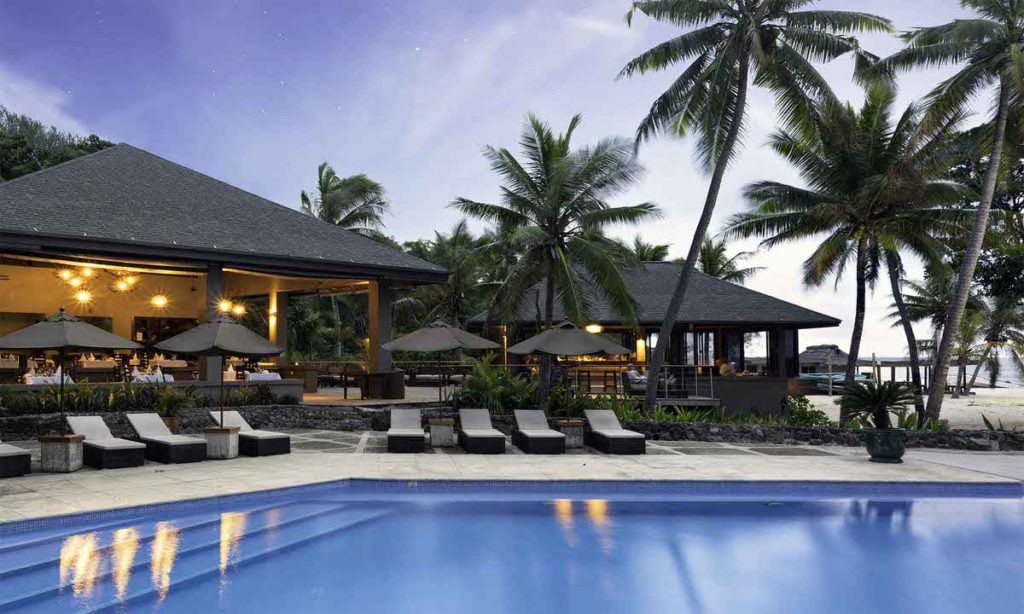
Getting married at one of Fiji’s incredible resorts is popular with couple who travel here to elope! You’ll get everything you need in one place – somewhere to stay, a gorgeous view, a place to tie the knot, and a coordinator who will help you plan the perfect ceremony. Resorts like Yasawa Island and Paradise Cove offer elopement packages perfect for any couple!
Bouma National Heritage Park
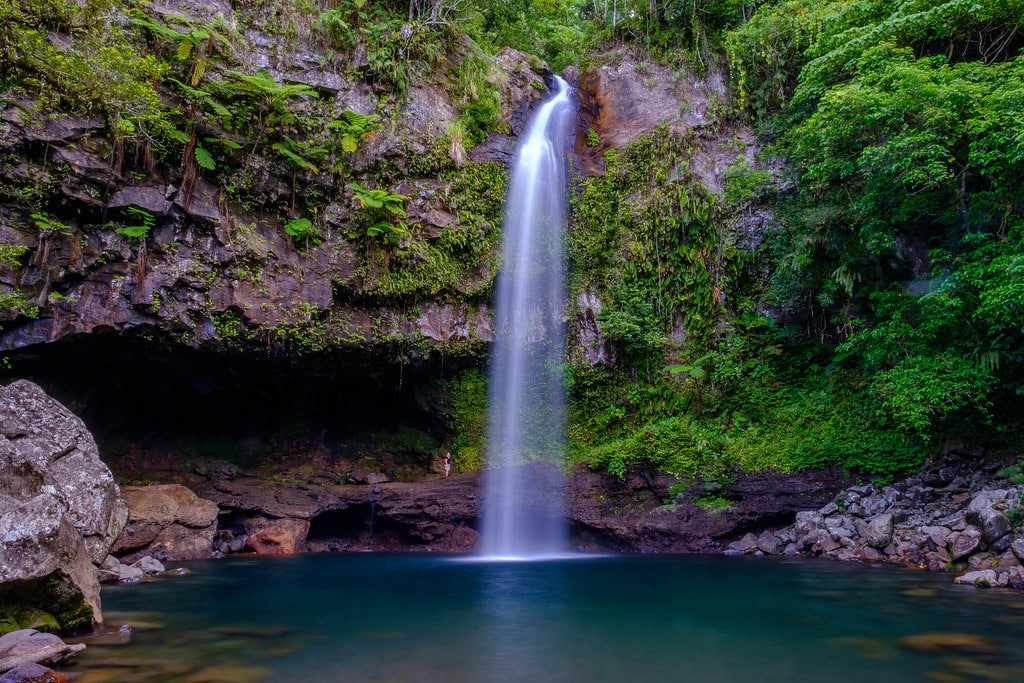
On the island of Taveuni, you’ll find this incredible park – with waterfalls and nature walks that cover almost a third of the island! The Tavora Waterfalls are an amazing sight, with a hike that takes you past three waterfalls and natural volcanic pools.
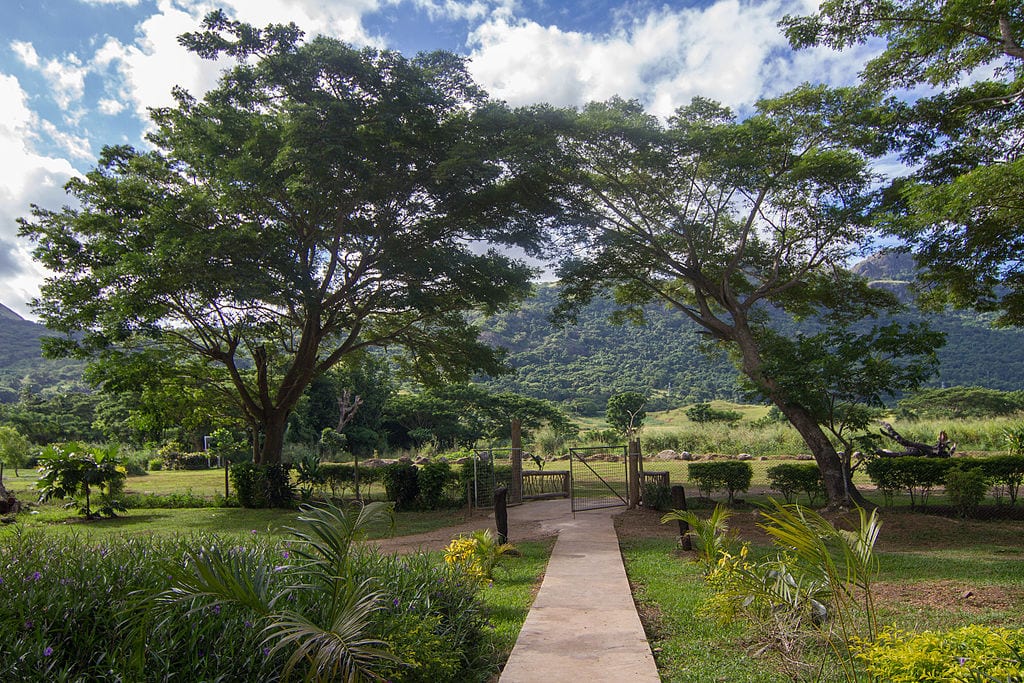
Sabeto Hot Springs and Mud Pool
For a unique opportunity to relax in a natural mud spa, visit the Sabeto Hot Springs! This spot is popular for locals, and believed to have healing properties. It’s a really fun experience, and there are gorgeous hills and lush forests all around!
Mount Tomanivi
For some extra adventure, you can elope at the highest mountain in Fiji! You can take the steep trail to the summit, or one of the easier hikes around the base of the mountain. As you hike, you’ll see traditional villages, incredible wildlife, and jaw dropping views!

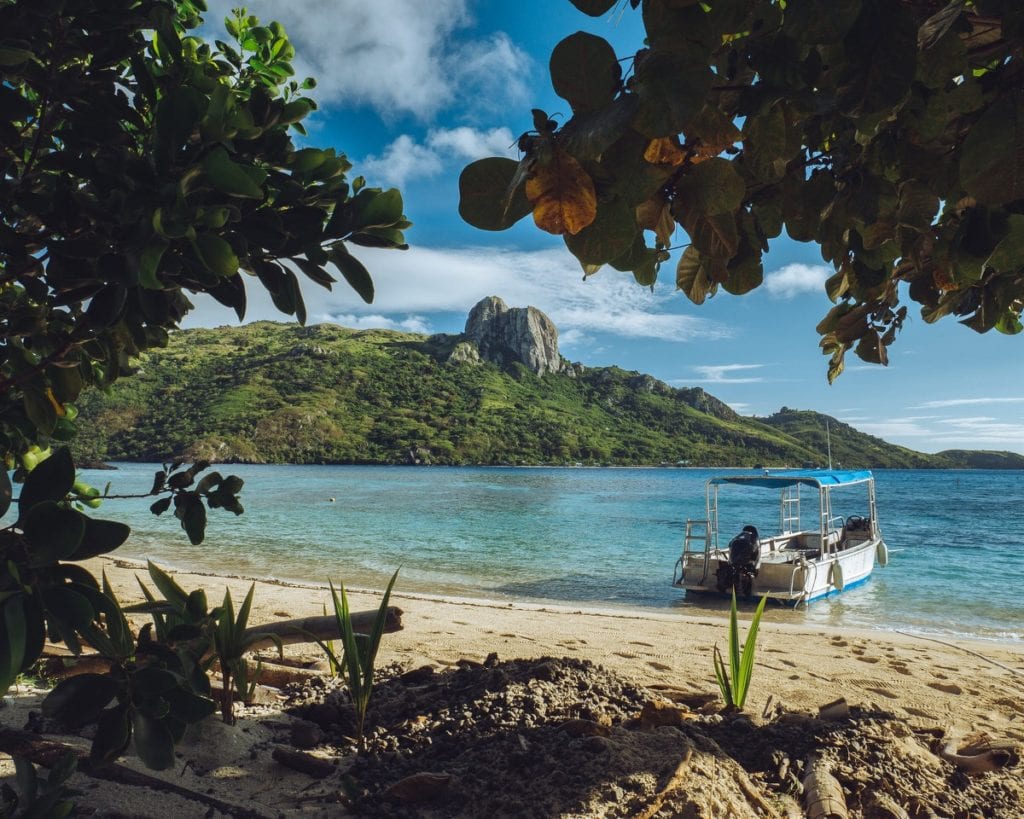
Beqa Lagoon
Beqa Lagoon features a resort right on the water, and incredible views of the ocean. But it’s best known for the sharks! You can dive and swim with the sharks, and have an experience that’s truly once in a lifetime.

When to Elope in Fiji
Here’s what you can expect throughout the year, and some things to consider when you decide on a date for your Fiji wedding!
WINTER IN FIJI
Temperatures are pretty stable throughout the year in Fiji, so the main difference in weather will be the rain! Winter is the rainiest season, so you’ll definitely need to bring waterproof gear. This is the least popular time to visit, so it can give you the chance to get the views to yourself.
SPRING IN FIJI
The rainy season ends in April, but spring weather can be a little unpredictable. Spring is a great time to elope in Fiji if you want to avoid crowds, because summer is when the peak begins!
SUMMER IN FIJI
Because it’s the driest time of year, summer brings lots of visitors to the islands of Fiji. You’ll need to plan ahead to avoid crowds, but the weather is pretty ideal!
FALL IN FIJI
After early September, there are fewer crowds around, and this can be another great time to tie the knot in Fiji. Rainy season usually begins in October or November, so be prepared for a few showers!
What is the cost of an elopement in Fiji?

All-inclusive, 7-day ELOPEMENT
6 nights in accommodation (3* or more)
Elopement photographer for 3 days
All meals for the 7 days
4-5 beautiful, natural and raw ceremony location options
Custom timeline of the day
Officiant
Florist
Hair and makeup
Car rental
Airport transfers
TOTAL FOR An all-inclusive ELOPEMENT IN Fiji:
$28 200
12-hour ELOPEMENT
Elopement photographer for 12 hours
4-5 beautiful, natural and raw ceremony location options
Custom timeline of the day
TOTAL FOR A 12-hour ELOPEMENT IN Fiji:
$9 600
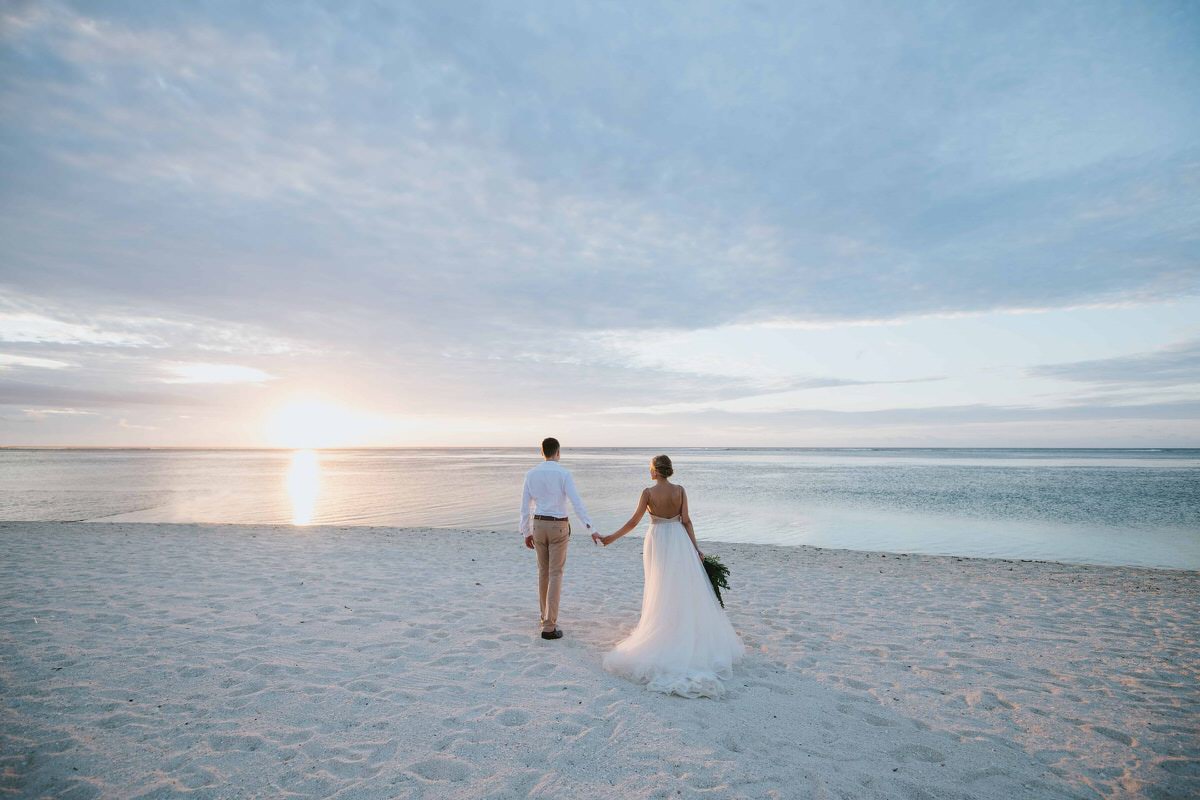
What to Wear to Elope in Fiji
When you decide what to wear for your Fiji wedding, you’ll need to consider that your elopement is a little more adventurous than a traditional wedding!
The Dress
Comfort is so important, so when you decide on a dress, opt for styles that have looser skirts – these are much easier to walk in, and will be more comfortable for any adventure. Make sure you can sit, hike, and move around easily!
The Shoes
Especially in the rainy season, waterproof shoes are so important. Hiking boots are the best option if you plan to hit the trails, but make sure to break them in if you get new ones for the big day!
The Suit
Suits make layering easy, and since Fiji is warm year round you might opt for nice pants and a button up. Make sure your suit is comfortable and fits you well, and that you can adventure without worrying about it!
Elope in Fiji – Your Checklist
Choose a Location
Finding the perfect place to exchange vows and marry your best friend is one of the most exciting things about planning your Fiji wedding! Don’t worry – I’m here to help you narrow down all the options.
As a travel planner, I’m always exploring to find the best secret places! Once you’ve decided to elope in Fiji, don’t hesitate to get in touch for planning assistance.
Pick a date
After you’ve researched weather, crowds, and costs throughout the year in Fiji, set your date!
Find more information about travel visas and wedding documentation
You won’t need a travel visa to elope in Fiji, unless you plan to stay longer than four months. But, make sure your passport and any other paperwork is up to date!
Book your flights and accommodation
Making bookings early is the best way to ensure you can stay close to your elopement location, and it will get you the best deals on travel costs!
Book your vendors
Your vendors will take all the stress off of you, and they’ll make such a big difference for your elopement day. Reach out early to make sure you can work with your favorites!
Live your dream elopement
After all that planning, it’s time! You get to live your adventure, get married in an incredible location, and relive that amazing day forever when you get your photos back.
Finally, all that planning comes to life! It’s time to adventure in an incredible location, marry your best friend, and have the wedding day you’ve been dreaming of. Contact me to learn more about Fiji elopement packages, and let’s start planning your dream wedding!
DO FIJI SOUND LIKE YOUR DREAM?
How to plan your peaceful elopement in Fiji with me

Let’s dive in, so you can start your journey right away!
Imagine a wedding where you can be you. Breathe. Bask in each other’s love.
Experience a place close to your hearts, or a bucket-list dream.
Let’s chat!
Are you eager to start planning your elopement in Fiji? I’m here to help you envision, plan and immortalize this beautiful adventure! Contact me now for a free consultation!